
Everything you need to know about sleeping bags
Actual temperatures, EN 13537 standards, warmth-to-weight ratio, maintenance — factual answers to help you choose with confidence.
All articles
77 articles
Technique
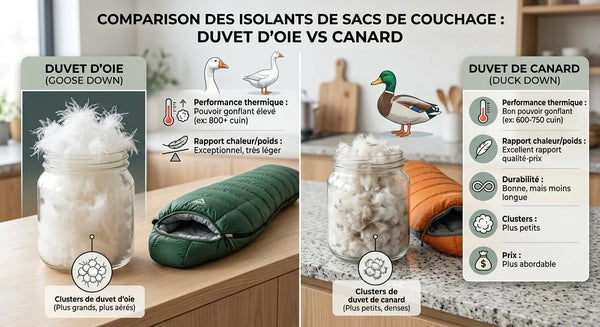
Duck down or goose down: what the difference really changes for a sleeping bag
Choosing the filling for a sleeping bag starts with a question many people ask: are duck down and goose down really different? The answer...
Entretien
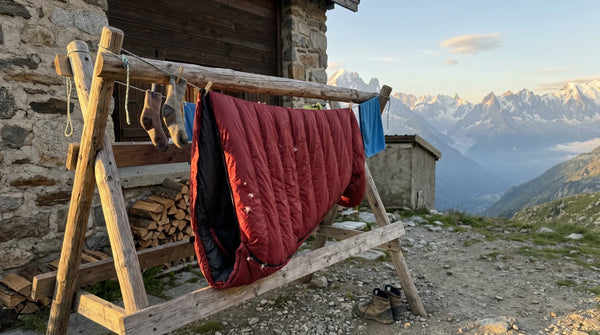
Maintaining your sleeping bag: the complete annual schedule, from loft to DWR
A poorly maintained down sleeping bag loses 10 to 20% of its loft in 3 to 5 years, which equates to 2 to 4°C in effective thermal perform...
Guide d'achat
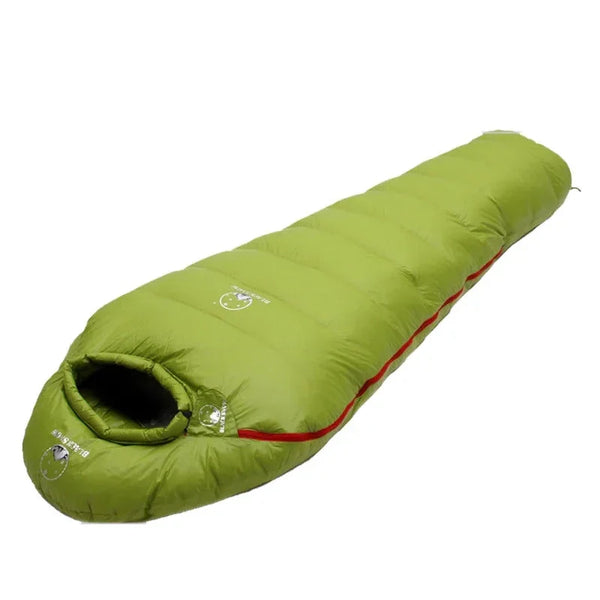
Blacksnow sleeping bags: what the brand offers, its true strengths, and for which profile it is a rational choice
Blacksnow is the third brand in our catalog, less well-known than Aegismax and Naturehike but with a precise positioning: offering 800-fi...
Comparatif
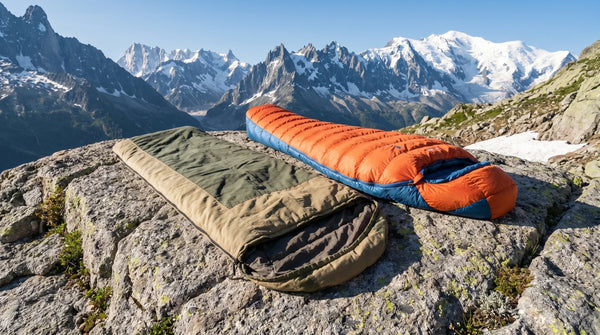
Aegismax vs. Naturehike: what the technical differences mean in practice at each thermal level
Aegismax and Naturehike are the two most widely distributed Chinese sleeping bag brands in Europe. Their product ranges overlap across se...
Température
Lightweight extreme cold sleeping bag: physical constraints, realistic weight thresholds, and comparison of certified models
A sleeping bag with a certified -10°C comfort rating weighing less than 1,200 grams: it is the most ambitious promise in the extreme cold...
Température
0°C ultralight sleeping bag: what is physically possible, available technologies, and real-world compromises
A sleeping bag with a 0°C comfort rating weighing less than 600 grams: is it physically possible, at what price, and with what trade-offs...
Guide d'achat
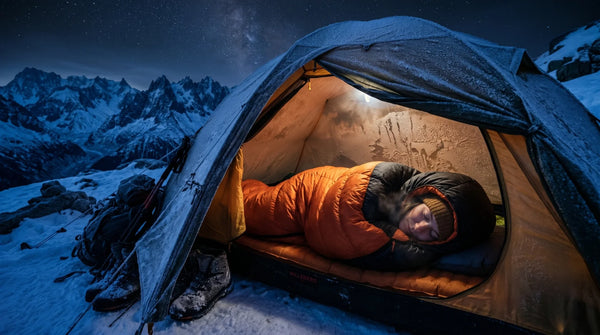
Warm sleeping bag: what this term really means, how to identify one, and how to choose
"Warm" is the most used and least defined term in the sleeping bag market. A bag sold as "very warm" for 40 euros and a bag certified for...
Guide d'achat
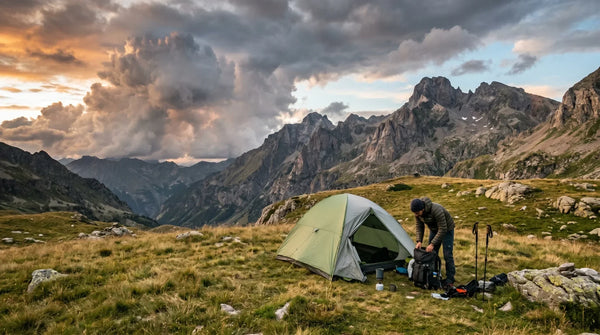
Sleeping bag for bivouacking in the Pyrenees: east-west climatic gradient, actual temperatures, and sizing
The Pyrenees are often treated as a variation of the Alps when it comes to bivouacking. This is a mistake: their climatic profile is radi...
Guide d'achat
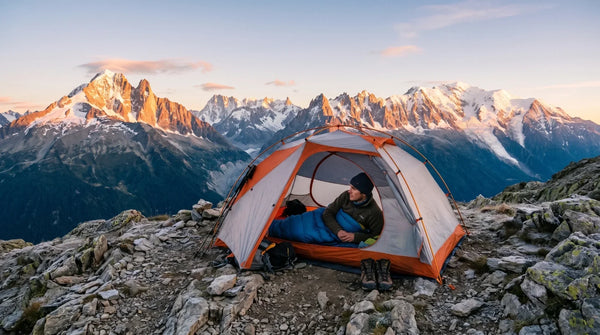
Sleeping bag for bivouacking in the French Alps: actual temperatures by mountain range and sizing
Bivouacking in the French Alps requires different preparation than camping in the lowlands. Nighttime temperatures range from 15°C to -5°...
Guide d'achat
Naturehike sleeping bags: brand overview, product range analysis, and market positioning relative to competitors
Naturehike is one of the largest outdoor equipment manufacturers in China, and one of the few brands to offer down sleeping bags certifi...
Guide d'achat
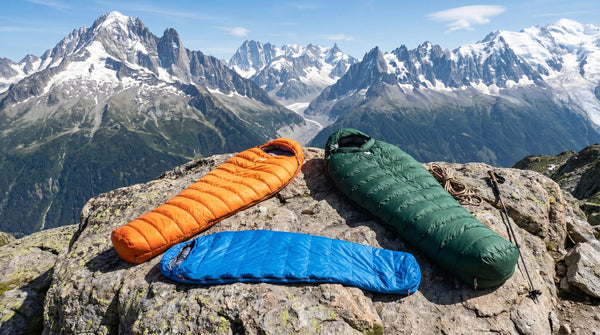
Lightweight, warm, and compact sleeping bag: the physics of the impossible triangle and how to compromise
A sleeping bag that is simultaneously lightweight, warm, and inexpensive does not exist. These three parameters are in direct tension: op...
Guide d'achat
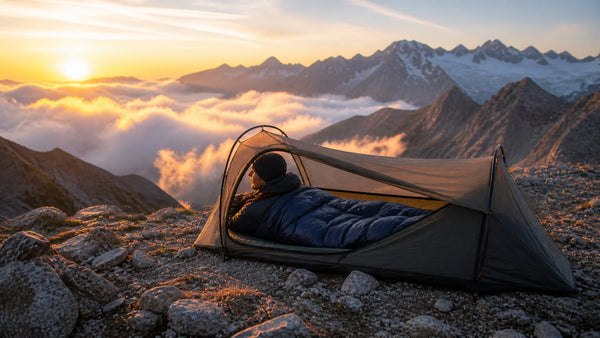
Sleeping bag for bivouacking in France: specific constraints, temperatures by mountain range, and system selection
Bivouacking imposes constraints on sleeping bags that are absent in camping and hut-to-hut hiking: critical weight, exposure to nighttime...
No time to read? Find the right bag in 4 questions.
The field guide analyzes your usage, temperature, budget, and weight priority to recommend suitable models.