
-10 degree sleeping bag
4 products
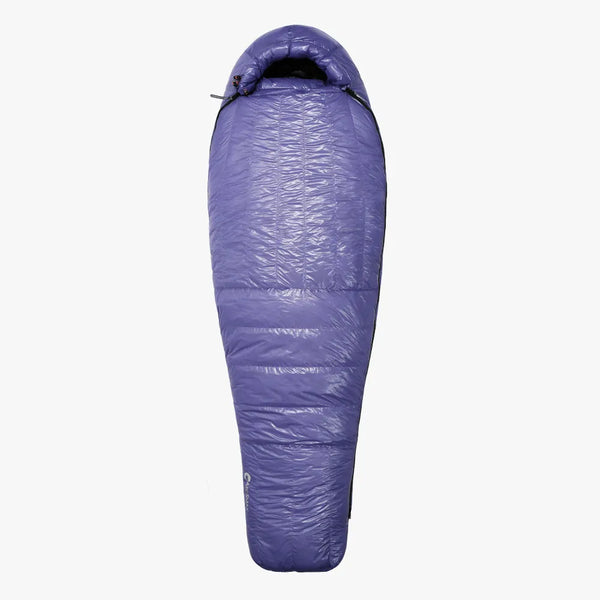
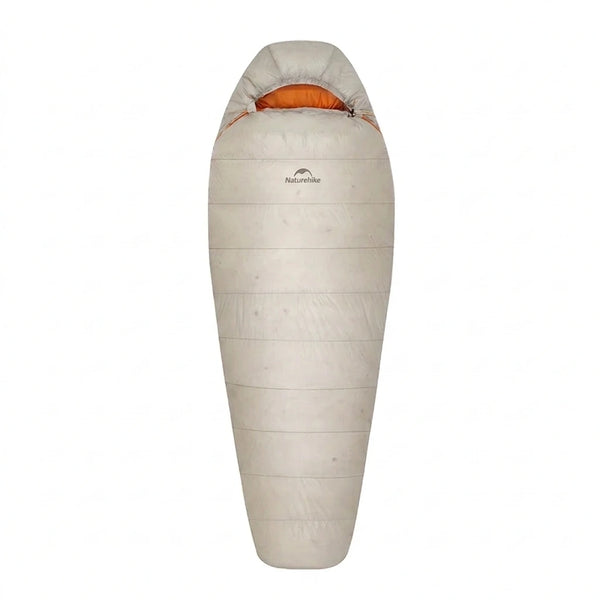
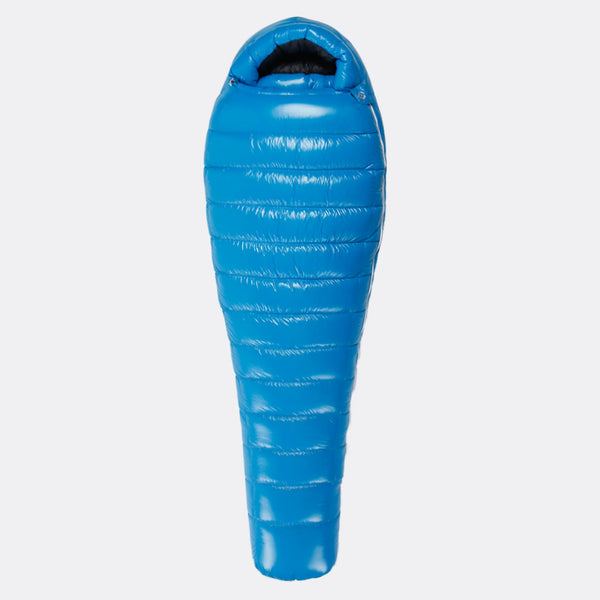
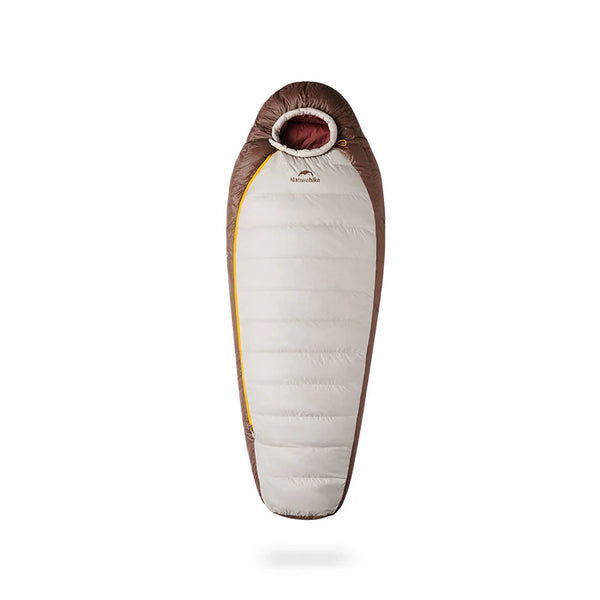
The three available models offer comfort temperatures between -8°C and -10.8°C, with weights ranging from 1,187 g to 1,650 g and fill powers from 650 to 800 cuin. Complete details on temperature ratings, fill, and weight are specified on each product page.
-10 degree sleeping bag: comfort temperature and real-world conditions
The comfort temperature of a -10 degree sleeping bag indicates the minimum temperature at which an average sleeper will sleep without feeling cold, as measured in a laboratory with a standardized thermal mannequin. In real-world winter bivouac conditions, this value also depends on the quality of the insulated sleeping pad (a recommended R-value of 4 to 5 minimum for nights below -5°C), the clothing worn at night, and the level of fatigue. The limit temperature, often between -15°C and -18°C for these models, corresponds to the tolerance threshold of a standard man. The extreme temperature is a theoretical survival threshold: it does not reflect real comfort and should not be used as a selection criterion. For outings where temperatures regularly drop below -10°C, the extreme cold collection offers models with comfort ratings from -17°C to -30°C.
Down fill for a -10°C comfort sleeping bag
At this thermal level, a 10-degree down sleeping bag with 800 cuin natural fill offers the best weight-to-insulation ratio available. A 10-degree sleeping bag with 800 cuin down weighs between 1,200 g and 1,400 g depending on the construction, compared to 1,600 to 2,200 g for a synthetic one with equivalent insulation. Natural down loses its effectiveness when saturated with moisture; in dry winter conditions, typical of high-altitude bivouacs, this constraint is rarely a deciding factor. For very humid outings, a model with hydrophobic fill treatment reduces this risk. The construction elements that make the difference at this thermal level are the adjustable anatomical hood, the thermal collar at the shoulders, and the zip with an integrated anti-cold draft tube, which limit heat loss at the bag's critical points.
-10 degree or extreme cold sleeping bag: how to choose?
A comfort 10 sleeping bag (understood as comfort at -10°C) is suitable for winter nights in France down to approximately -8°C to -12°C in real conditions, with an appropriate sleeping pad. For high-mountain bivouacs above 2,500 m in winter, alpine climbs, or expeditions where temperatures remain consistently below -15°C, a model from the extreme cold collection with a comfort rating of -17°C to -23°C is more appropriate. For trips in late autumn or mid-season where nights oscillate between -3°C and -7°C, a -5°C sleeping bag may be a sufficient and lighter choice for the entire season.
Weight and volume for a winter bivouac with a -10°C bag
For mountaineering and winter treks with significant load-carrying, the weight of a -10 degree down sleeping bag is a genuine criterion. A 10-degree down model with 800 cuin fill at a -10°C comfort rating weighs between 1,200 g and 1,400 g with a compressed volume of 12 to 18 liters. A synthetic bag with equivalent performance weighs 1,600 to 2,200 g with a volume of 25 to 35 liters. The insulated sleeping pad, which accounts for 40 to 50% of the total insulation of the sleep system in winter conditions, must not be undersized: a minimum R-value of 4 to 5 is recommended for nights below -5°C.