
Camping sleeping bag
13 products
La collection duvet camping regroupe des sacs de couchage pensés pour les nuits en camping, en van ou en hébergement de plein air, lorsque le confort et la simplicité d’usage priment. Ici, le terme duvet est utilisé dans son sens courant pour désigner un sac de couchage, adapté aux nuits accessibles et, selon les modèles, à des bivouacs ponctuels lorsque les conditions restent cohérentes avec l’isolation proposée.
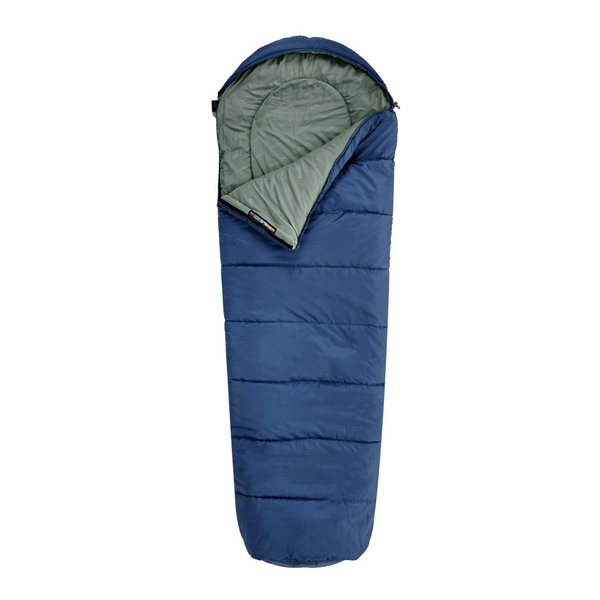
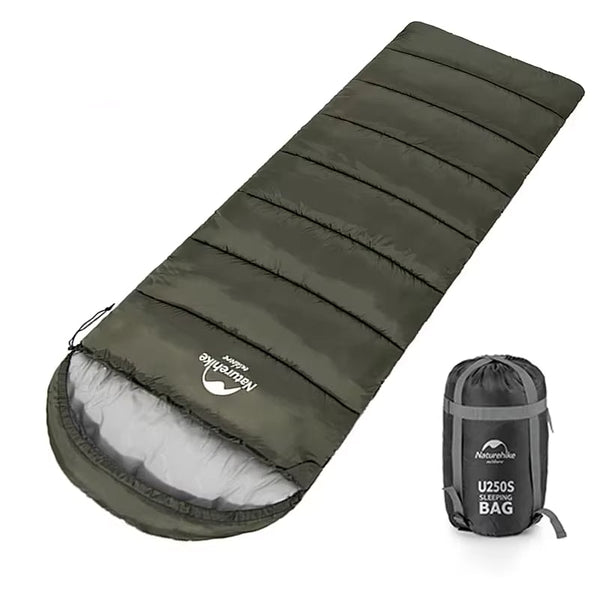
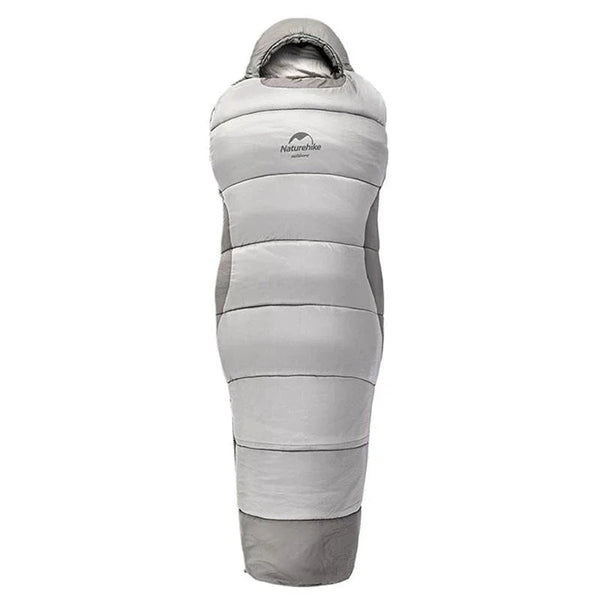
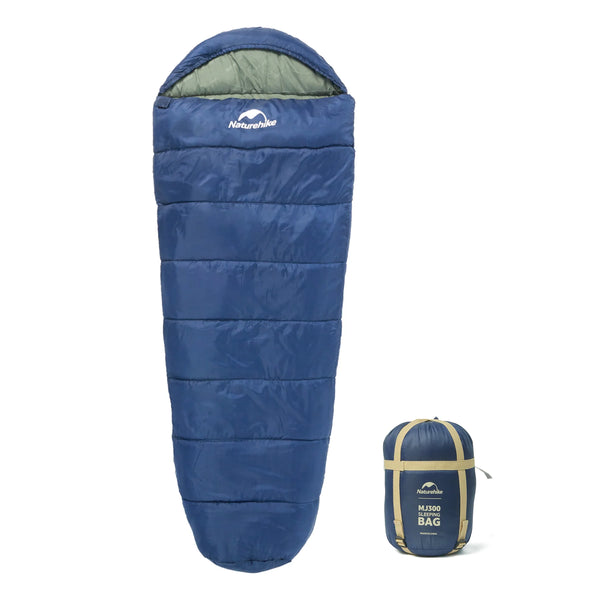
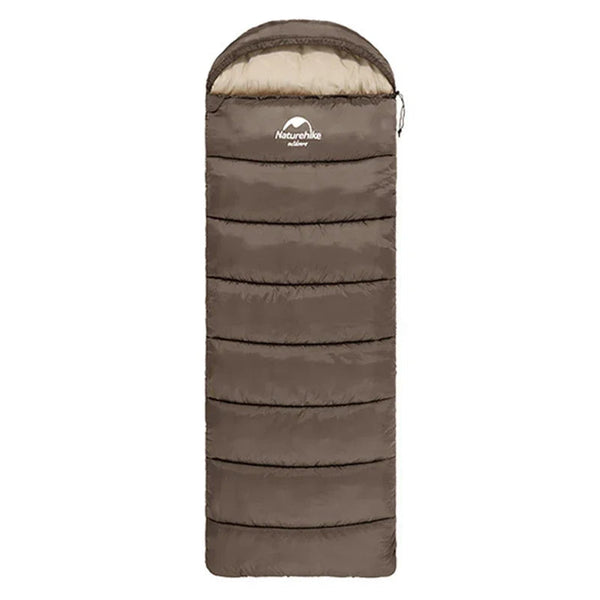
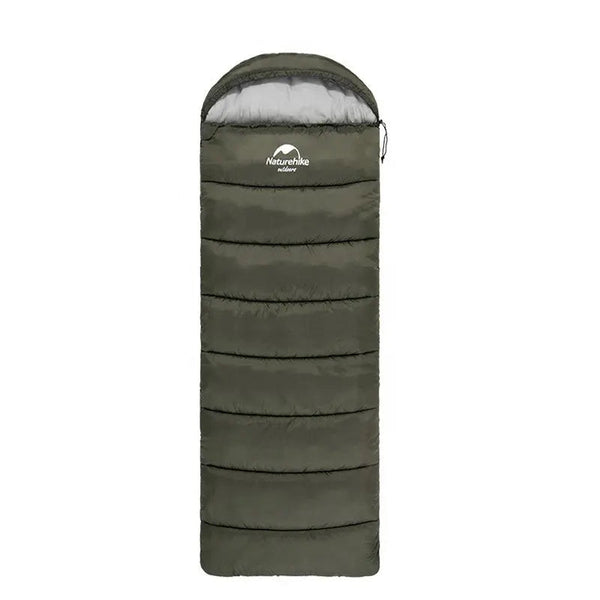
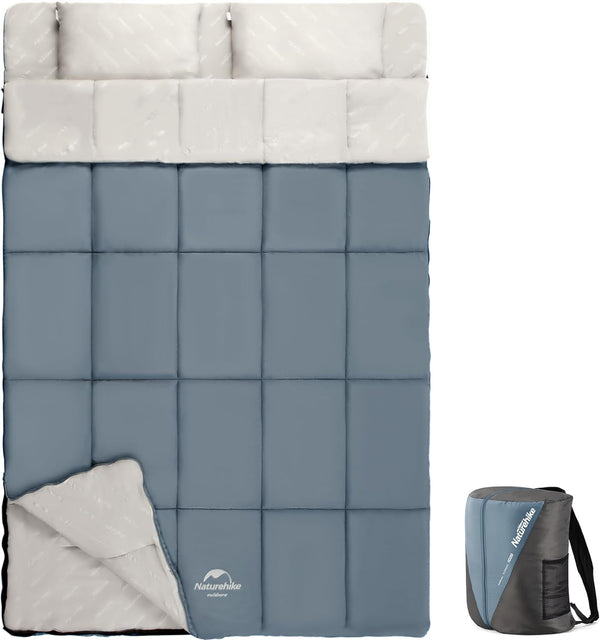
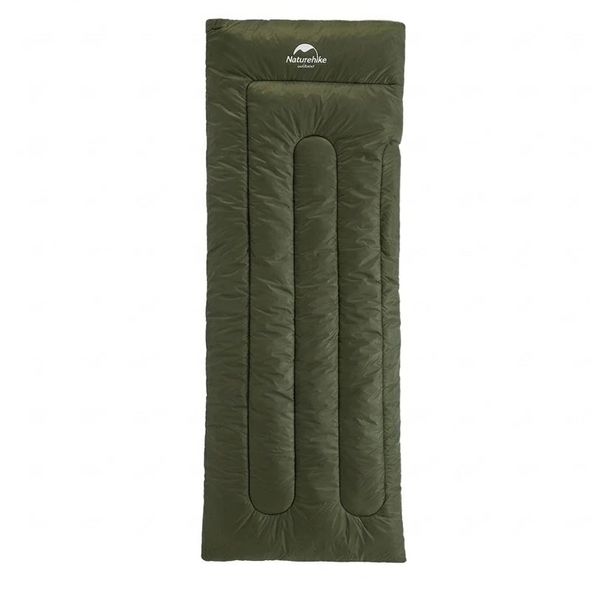
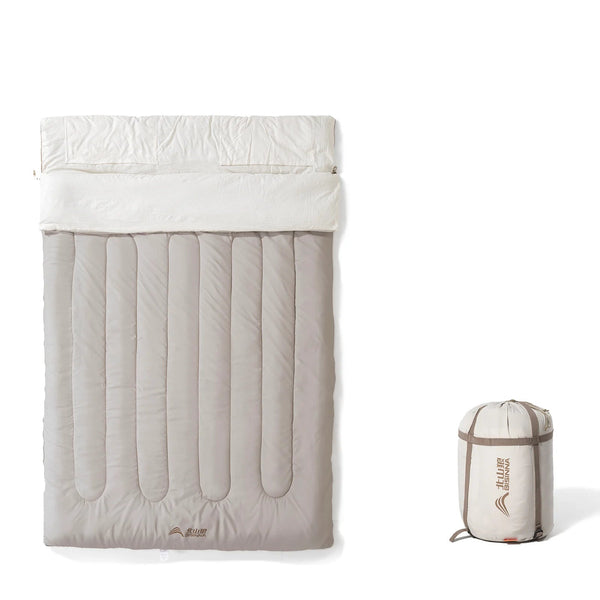
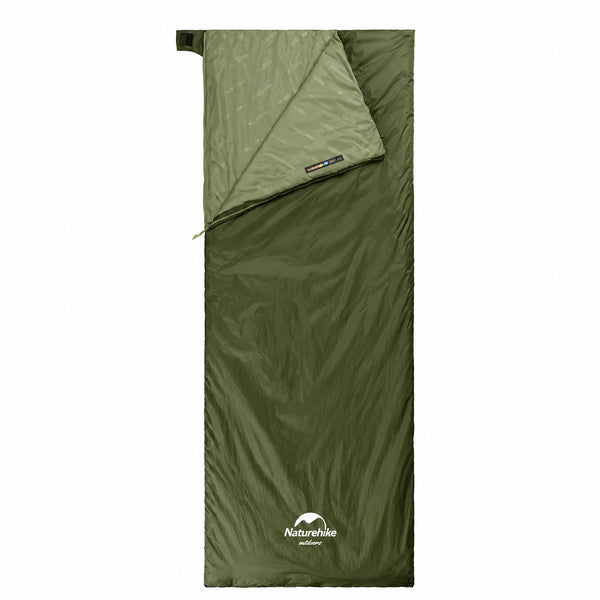
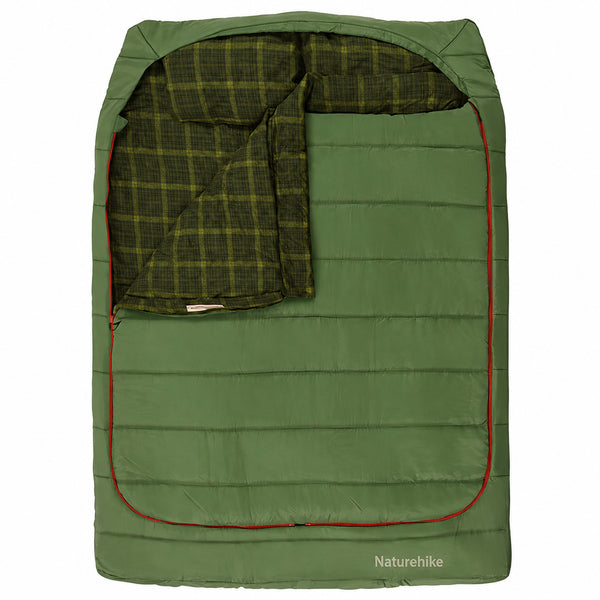
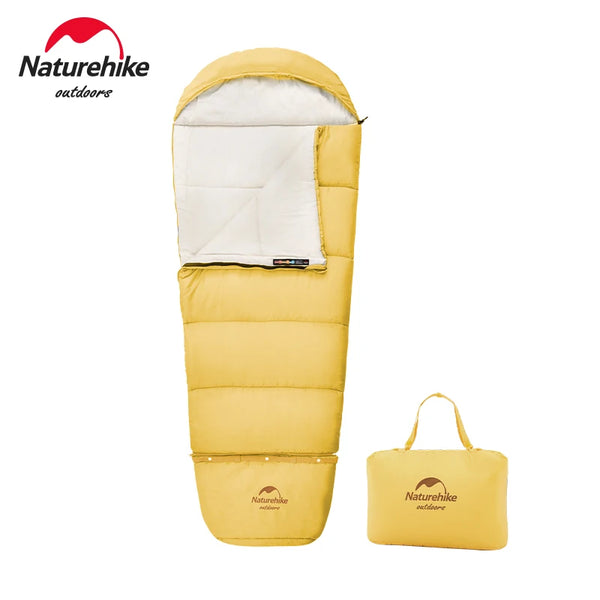
The models in this selection prioritize contact comfort and ease of maintenance. The synthetic cotton fill is suitable for temperate camping conditions in plains and low-to-mid mountain ranges, with comfort temperatures ranging from +15°C to -5°C depending on the model.
Camping sleeping bag: choosing based on temperature and usage profile
Comfort temperature is the primary criterion to set before choosing a camping sleeping bag. For summer nights in the plains between 15°C and 20°C, a model with a comfort rating of +10°C to +15°C is sufficient. For spring or autumn camping with nights between 5°C and 10°C, a warm sleeping bag with a comfort rating of 0°C to +5°C provides the necessary margin. For high-altitude camping or recurring cool nights in the mountains, a model with a comfort rating of 0°C or slightly below is preferable. Beyond the thermal range, the shape of the bag directly dictates sleep comfort: the rectangular or semi-rectangular shape offers more freedom of movement than a fitted mummy model, which is better suited for sleepers who move during the night or users who wish to open the bag like a blanket.
Adult, large size, or 1-person sleeping bag: which format to choose?
A standard adult sleeping bag (length 190 to 200 cm) suits the majority of body types. For people taller than 185 cm or those who need extra space at the shoulders and feet, a large-size sleeping bag with a length greater than 200 cm and increased width is more suitable. A 1-person sleeping bag in a compact format is suitable for children or lighter-framed adults looking for a bag that is easy to store. A women's sleeping bag sometimes incorporates specific fit adjustments and reinforced insulation at the feet, in response to a generally higher sensitivity to cold at the extremities. For outings as a pair, the 2-person sleeping bag collection offers double models.
Cotton or synthetic fill for camping: what you need to know
The models in this collection use a cotton or synthetic cotton fill, suitable for static camping in temperate conditions. Synthetic cotton is more breathable than pure polyester, which limits the feeling of suffocation during warm nights. Maintenance is simple: machine wash at 30-40°C with standard detergent, air dry or tumble dry on low heat. The trade-off is a higher weight and a larger compressed volume than natural down or technical synthetic fills. For nights below -5°C or high-altitude bivouacs, camping models reach their limits and a more technical warm sleeping bag becomes necessary. The extreme cold collection includes models adapted to these conditions, and the down sleeping bag collection offers lighter alternatives for campers who want a better weight-to-insulation ratio.