
Down sleeping bag
27 products

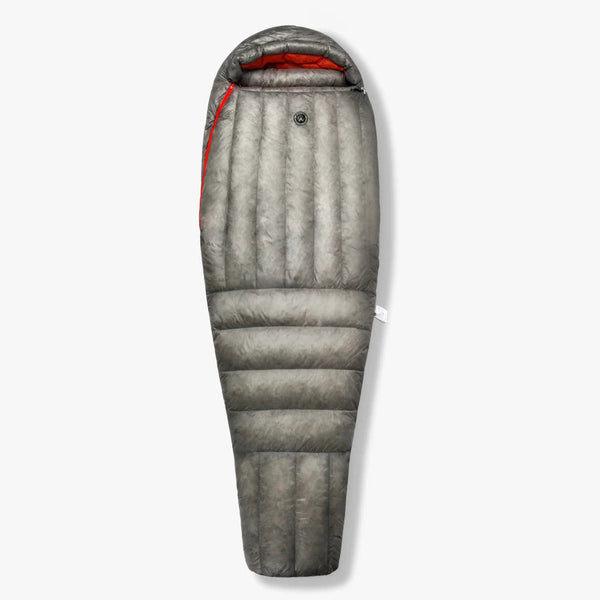
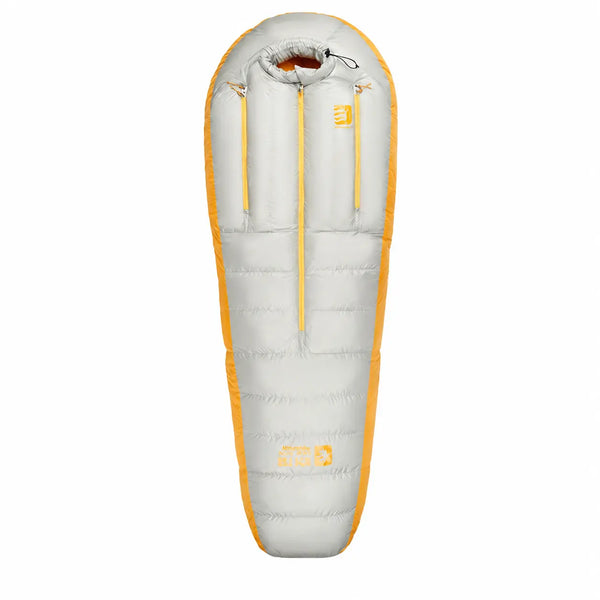
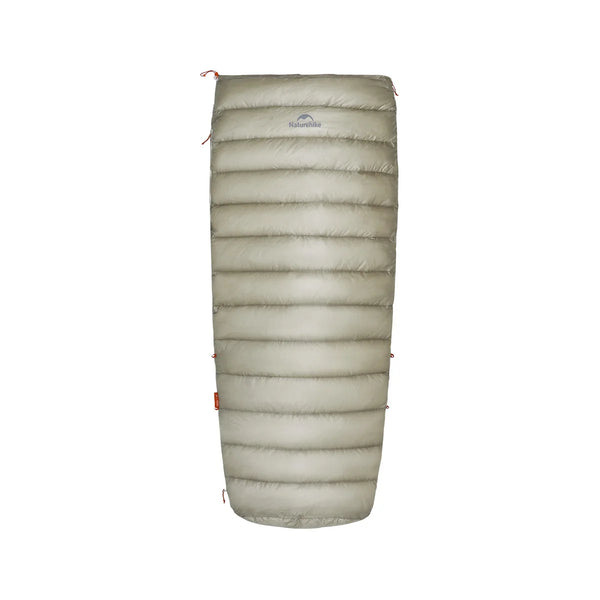
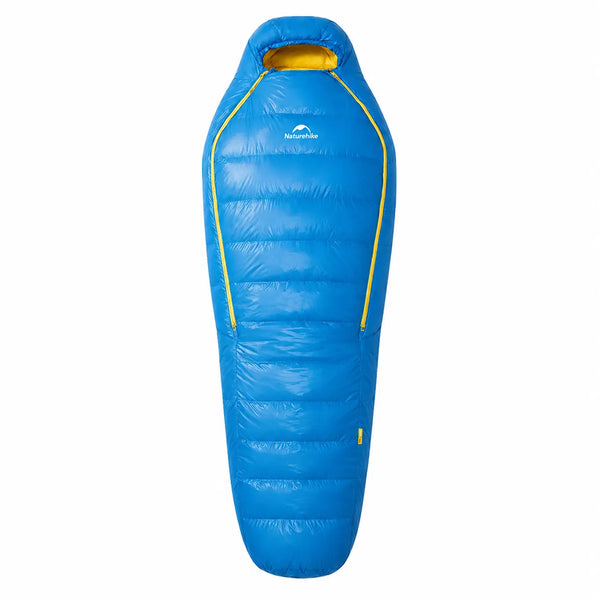
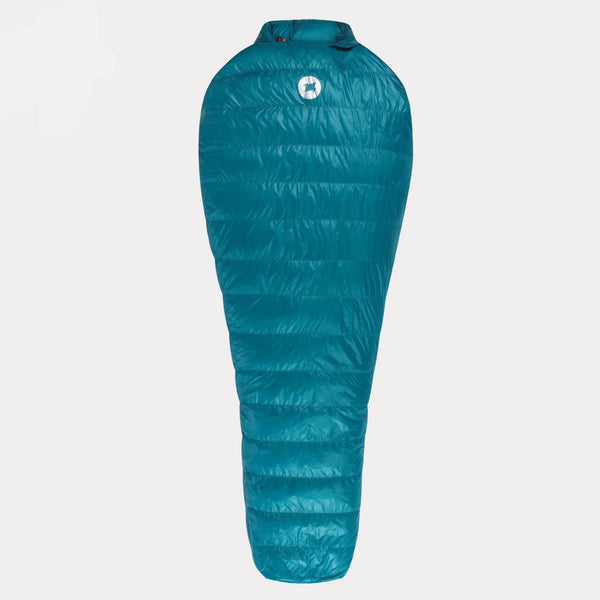
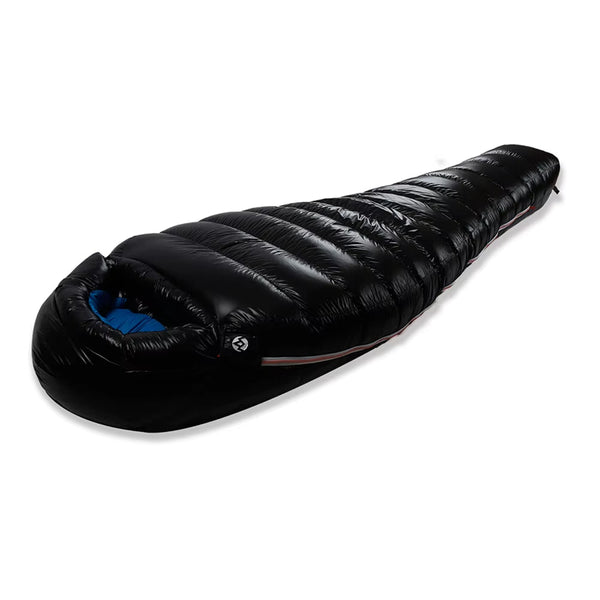
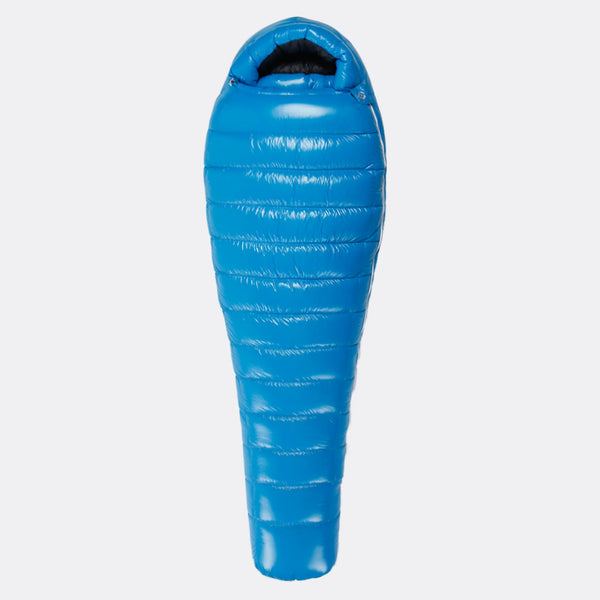
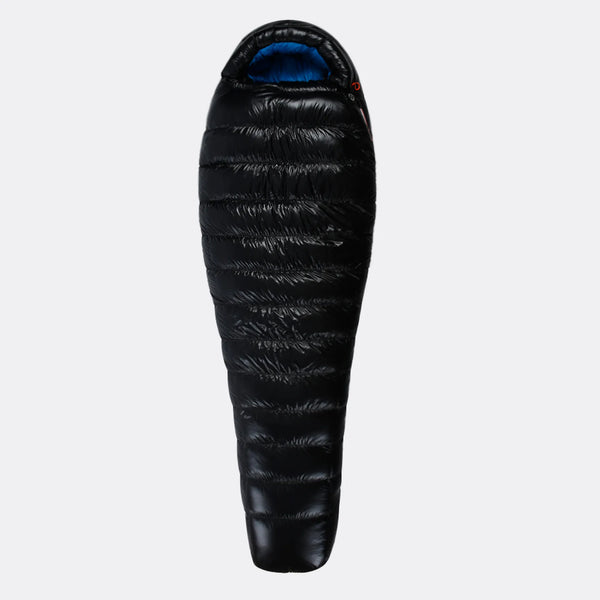

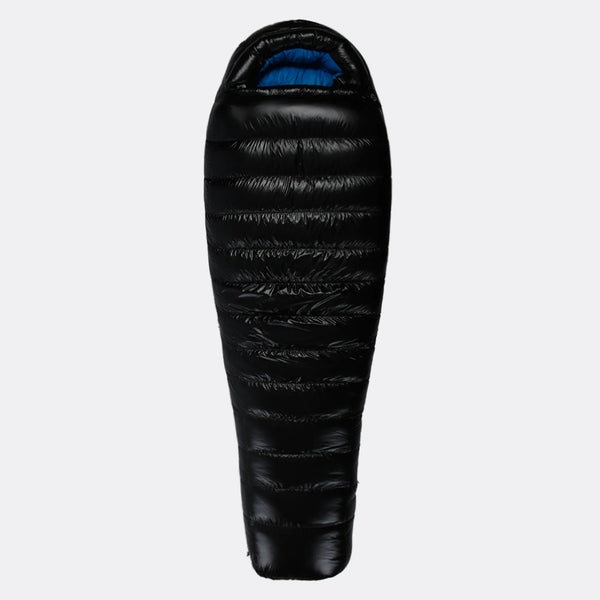
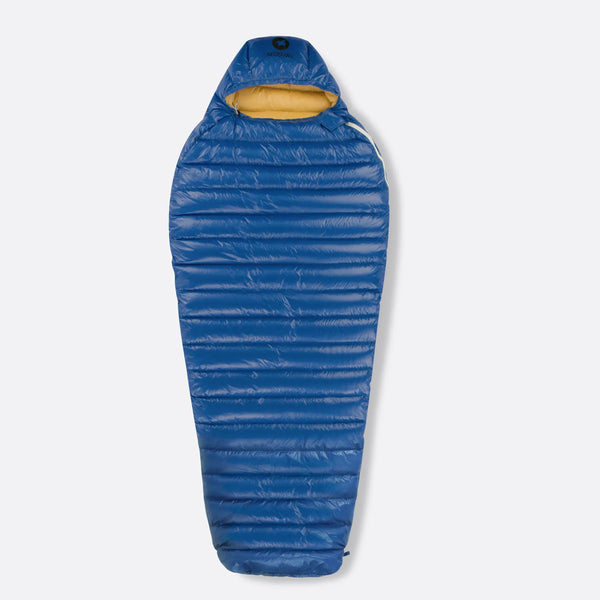
Natural down insulation is common to all models in this selection, but usage, temperature ranges, and weight profiles vary considerably from one model to another. Understanding the technical criteria helps avoid the most common selection errors.
Fill power: the key indicator of down sleeping bag quality
The quality of a down sleeping bag is measured primarily in fill power (loft, expressed in cubic inches per ounce). The higher the fill power, the lighter and more insulating the insulation is for an equivalent thickness. A compact 800-fill-power down sleeping bag compresses into half the volume of a synthetic one with the same insulation, for a significantly lower weight. In practice, 650-fill-power insulation is suitable for camping with down bags and occasional outings where weight is less of a constraint. 700 to 800-fill-power insulation is the standard for trekking with down bags and regular mountain trips. 850-fill-power insulation and above is reserved for high-performance, ultralight down, or extreme cold down models requiring a maximum warmth-to-weight ratio. A high-density warm down sleeping bag makes it possible to reach sub-zero comfort temperatures at a weight of less than 900g, a performance level unattainable at that weight with synthetic insulation.
Goose down or duck down: what is the real difference?
Goose down generally offers a slightly higher fill power for the same weight, giving it a marginal advantage for very high-end ultralight down models. In practice, an 800-fill-power 0-degree duck down sleeping bag and an 800-fill-power goose model are very similar in their field performance. The difference becomes apparent primarily above 850 fill power, where goose down retains a measurable advantage. For most uses, the choice between the two is based more on value for money than on significant performance gaps.
Natural down and humidity: the main point of caution
The main drawback of a down sleeping bag is its sensitivity to moisture: saturated insulation loses much of its insulating power. Hydrophobic treatments applied to the feathers (DWR) reduce this risk for outings in mixed conditions and bivouacs with nocturnal condensation. For a winter down sleeping bag used for bivouacking at high altitude in dry conditions, this constraint is rarely decisive. For very wet outings or multi-day expeditions with no possibility of drying, a synthetic bag or a model with enhanced hydrophobic treatment is more reliable. Thorough drying after each use and storing the bag uncompressed between trips directly determine the lifespan of the insulation. For users who prefer insulation without moisture constraints, the cotton sleeping bag collection offers alternatives with natural plant-based insulation suitable for family camping.
Choosing your down sleeping bag according to use
For trekking with down bags and long-distance backpacking, 0-degree down models with 800-fill-power insulation represent the best entry point: versatile temperature range, contained weight, and compressed volume suitable for a 35 to 45-liter pack. For late-season bivouacs and outings at altitudes above 2,000 m starting in September, a model with a -5°C comfort rating provides the necessary margin without overloading the pack. For winter outings and mountaineering in the Alps or Pyrenees, the extreme cold down sleeping bag collection includes models with comfort ratings from -17°C to -30°C using 800 to 850-fill-power insulation. For camping with down bags where the gear is transported by car or used with little elevation gain, weight becomes secondary and other criteria such as interior width or ease of maintenance may take precedence.