
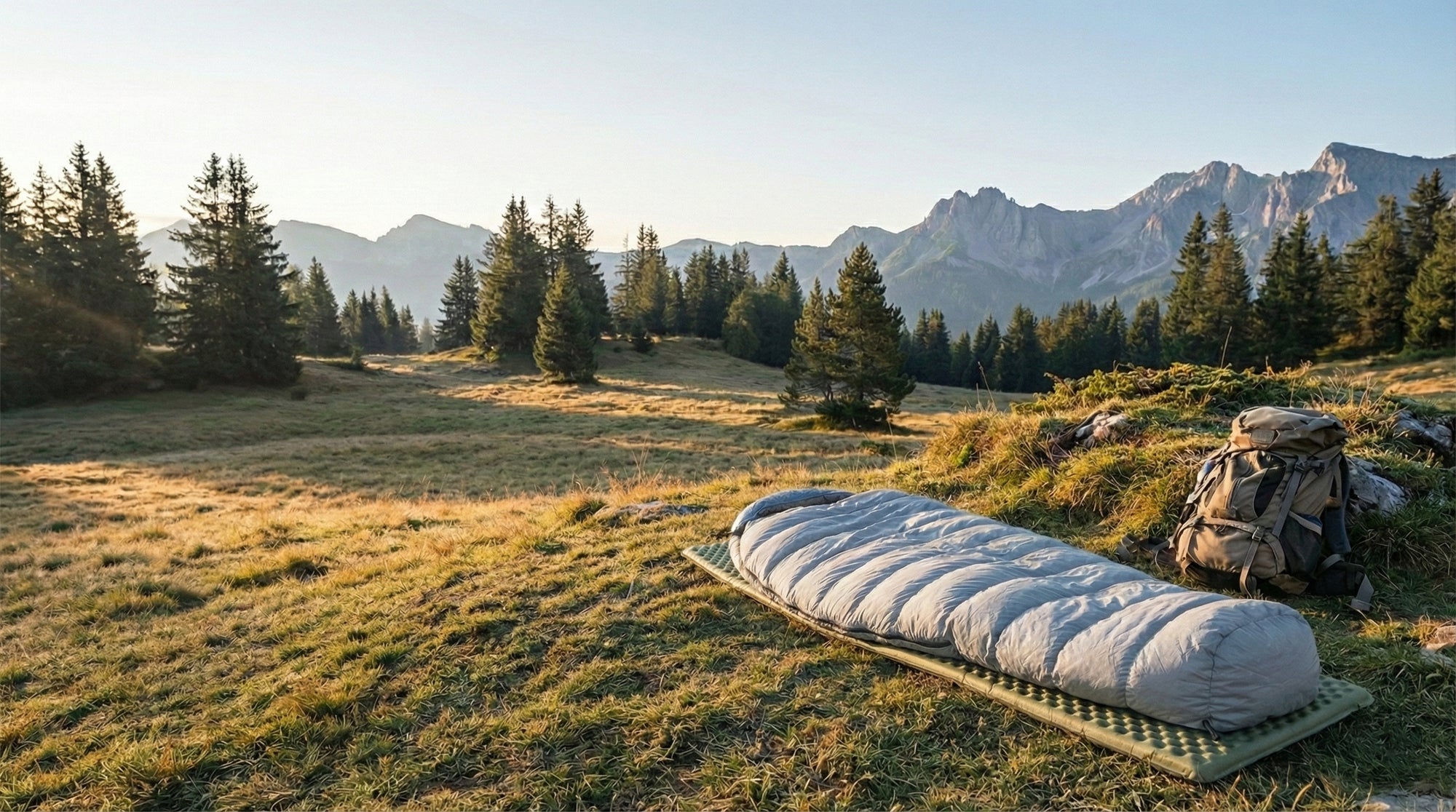
The sleeping bag expert,
for peaceful sleep.
Verified comfort temperatures, documented weight-to-warmth ratios, and realistic usage tips. A selection designed for hiking, trekking, and bivouacking in the Alps and Pyrenees.
Sleeping bags by activity
Each sleeping bag listed here is categorized according to real-world usage criteria: stated comfort temperature, fill type suited to the activity, and documented weight-to-insulation ratio. The extreme cold sleeping bag collection gathers models for winter bivouacking at altitude. The 0 degree sleeping bag collection covers the vast majority of 3-season outings. The trekking sleeping bag collection brings together models focused on weight and compressed volume. The 2-person sleeping bag collection is dedicated to camping as a duo. Four entries, four distinct uses, with no guesswork.

Extreme cold sleeping bag

0-degree sleeping bag

2-person sleeping bag

Trekking sleeping bag
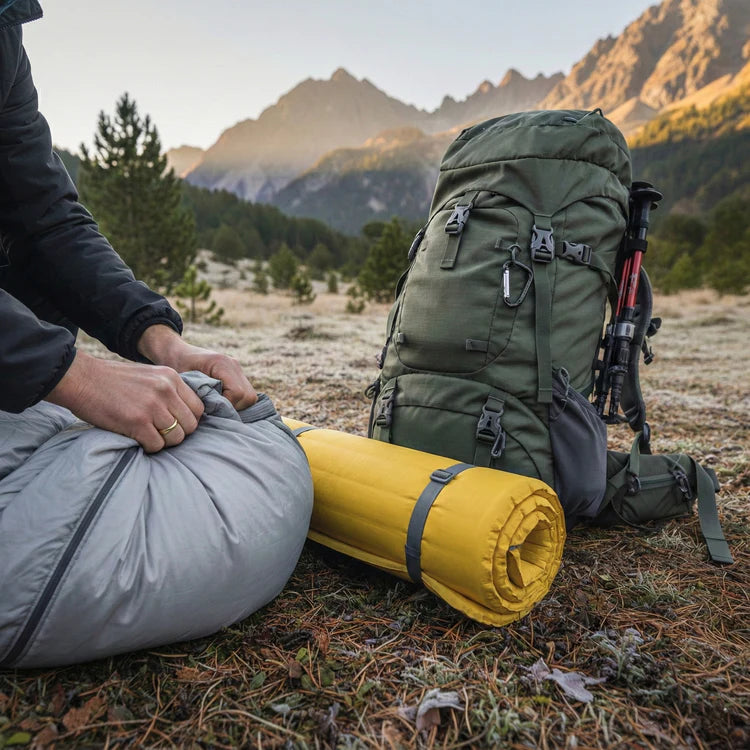
Field expertise, not marketing
Duvet Nomade was built on a simple approach: better understanding equipment before choosing it. Behind the shop are nights spent outdoors, packs that were too heavy, others that were ill-suited, and the desire to find a better balance.
-
Comfort temperature highlighted — not the extreme temperature which is only used in emergencies.
-
Documented warmth-to-weight ratio — cuin, actual weight, dimensions on each product sheet.
-
EN 13537 / ISO 23537 / GBT 38426 standards — test conditions explained for an informed choice.
-
Tailored advice for the Alps & Pyrenees — altitude, humidity, actual French conditions.
To support you in any situation

10-degree (11°C) trekking sleeping bag | Aegismax MINI
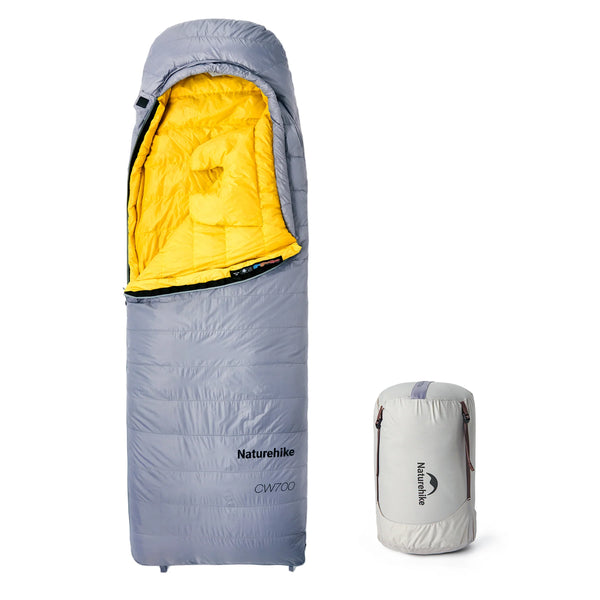
0-degree sleeping bag (-1.7°C) | Naturehike CW700
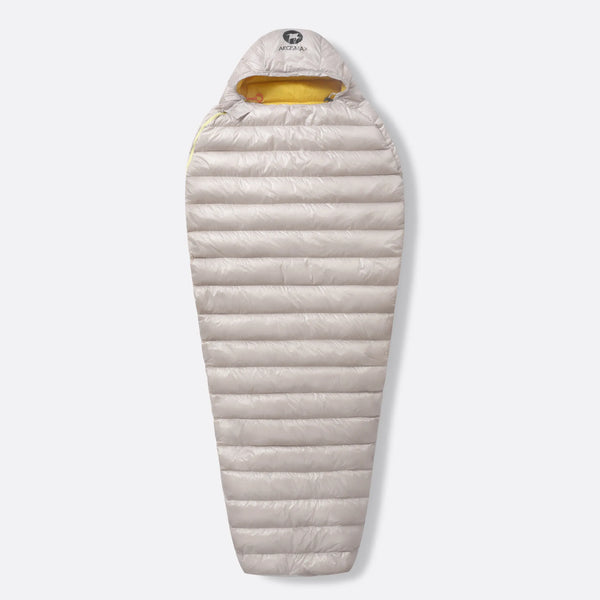
3-season sleeping bag | Aegismax Leto
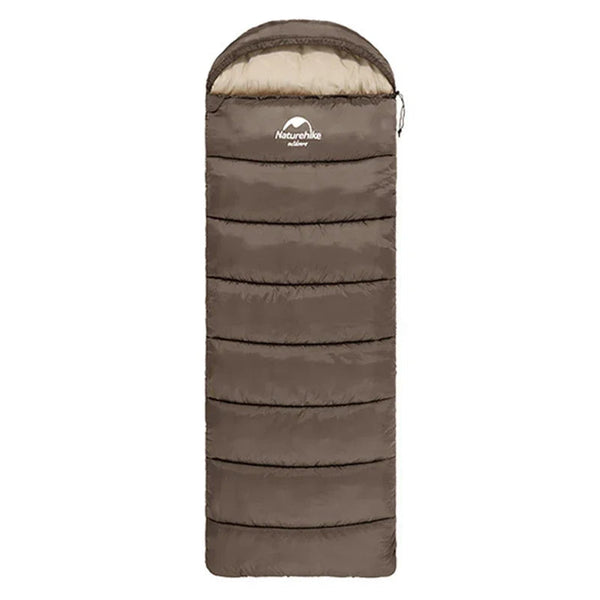
0-degree sleeping bag | Naturehike U250S

10 Degree Sleeping Bag (11°C) | Aegismax Air-E

0-degree trekking sleeping bag | Blacksnow
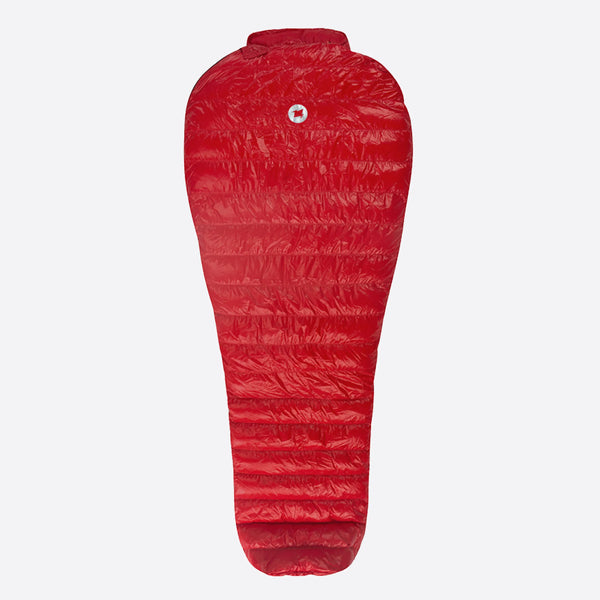
3-season sleeping bag | Aegismax Nano
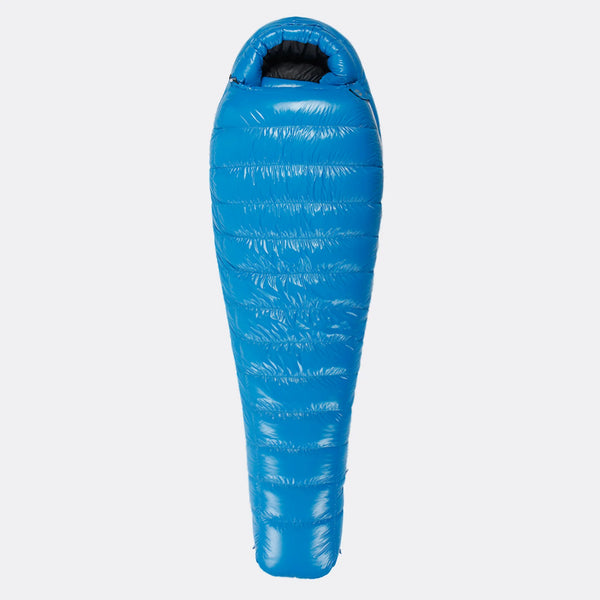
Extreme cold sleeping bag (-23°C) | Aegismax G5
Comfort, limit, extreme temperature—what they really mean.
Hover over a zone of the thermometer or tap the buttons to see what each temperature rating means in real conditions.
Sleeping bag by temperature
The comfort temperature is the only reliable benchmark for choosing a sleeping bag suited to your actual conditions. An extreme cold sleeping bag (-15°C and below) meets the requirements of mountaineering and winter bivouacking at high altitude. A minus 10°C sleeping bag is suitable for cold nights in mid-mountain areas, excluding extreme conditions. A minus 5°C sleeping bag covers the shoulder season, late autumn, and spring at altitude. A 0-degree sleeping bag remains the most versatile choice for the majority of 3-season trips in France.
0-degree sleeping bag

-5 degree sleeping bag

-10 degree sleeping bag
Extreme cold sleeping bag
Sleeping bag by usage
Each outdoor activity imposes different constraints on a sleeping bag. For a trekking sleeping bag, weight and compressed volume are the priority: every gram counts when hiking autonomously for several days. When camping, comfort and ease of use take precedence over lightness. A 2-person sleeping bag follows a different logic: sharing warmth and space without multiplying gear. A 3-season sleeping bag is aimed at those looking for a single, versatile model capable of covering spring, high-altitude summer, and autumn without having to change equipment. Choose according to actual use, not a generic spec sheet.


