
Cotton sleeping bag
9 products
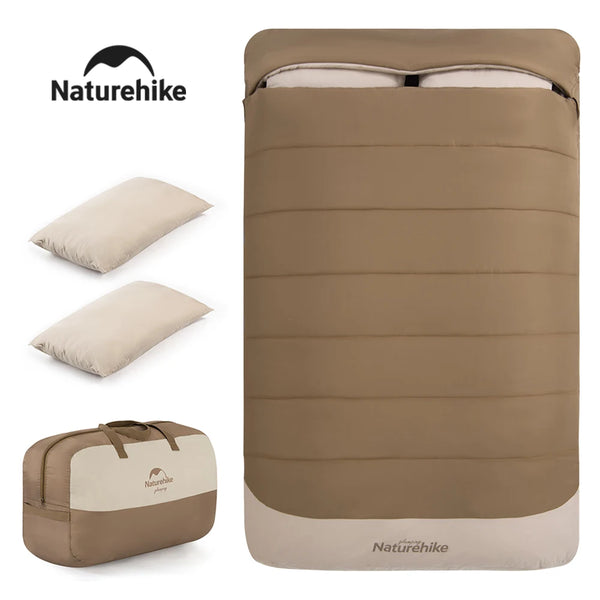
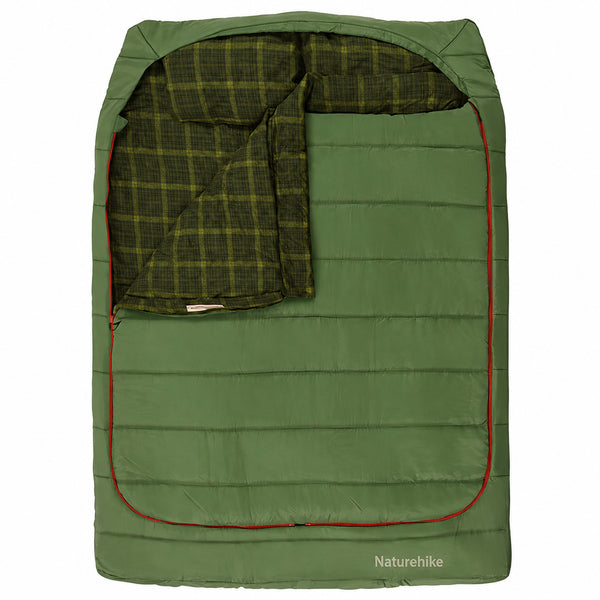
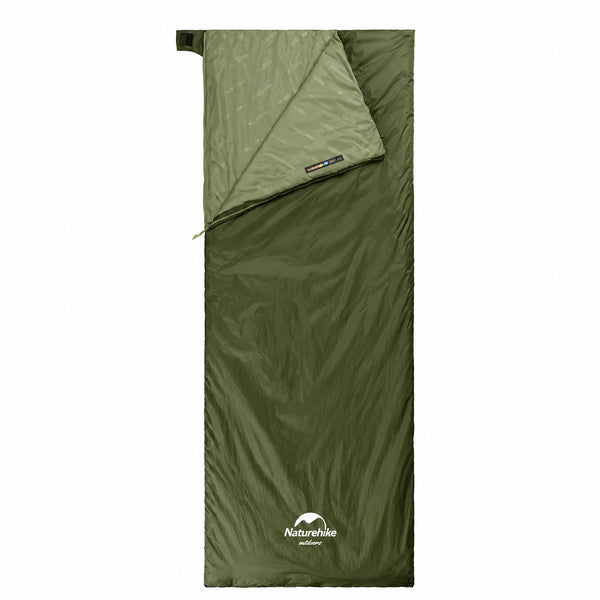
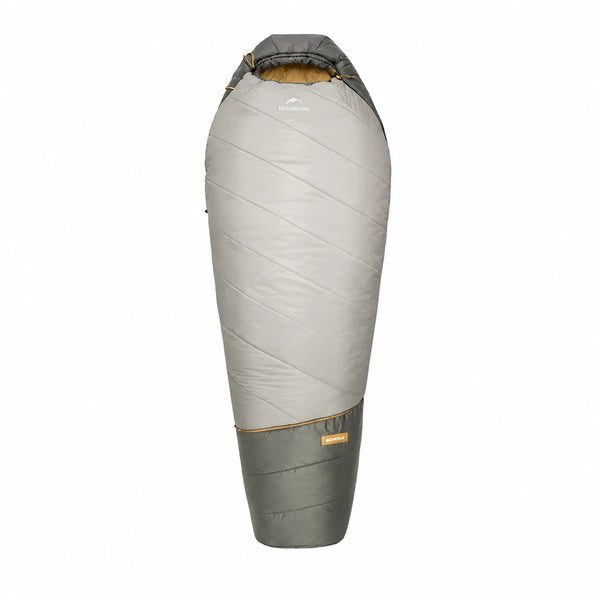
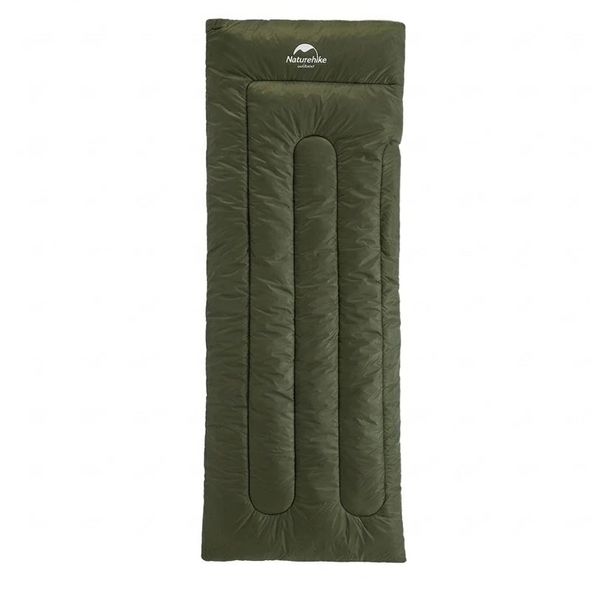
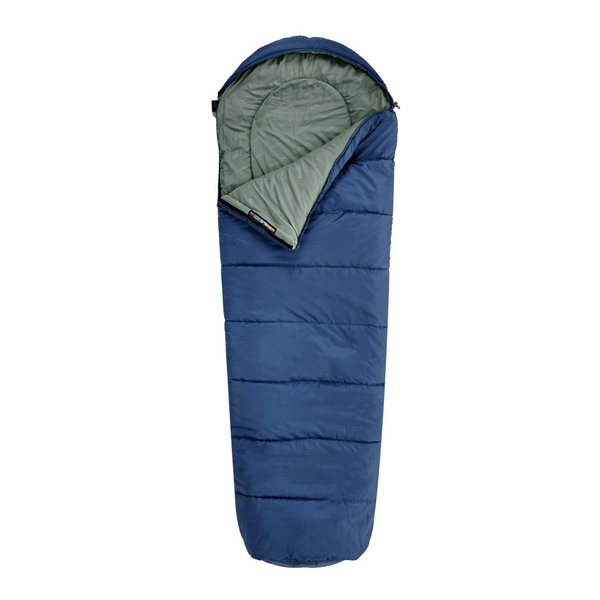
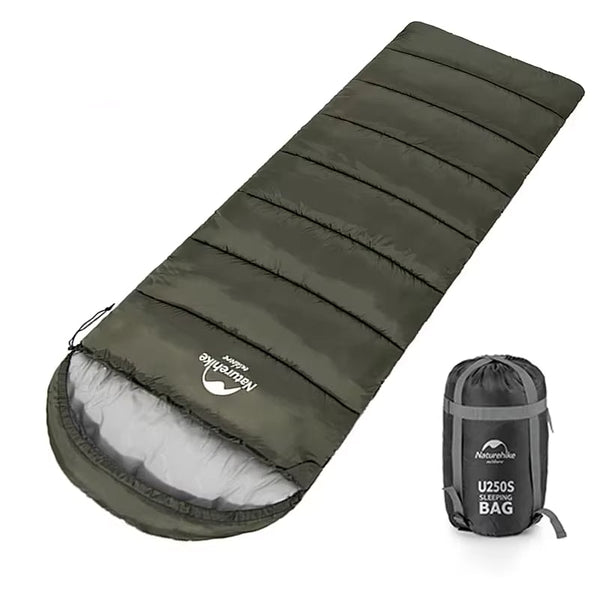
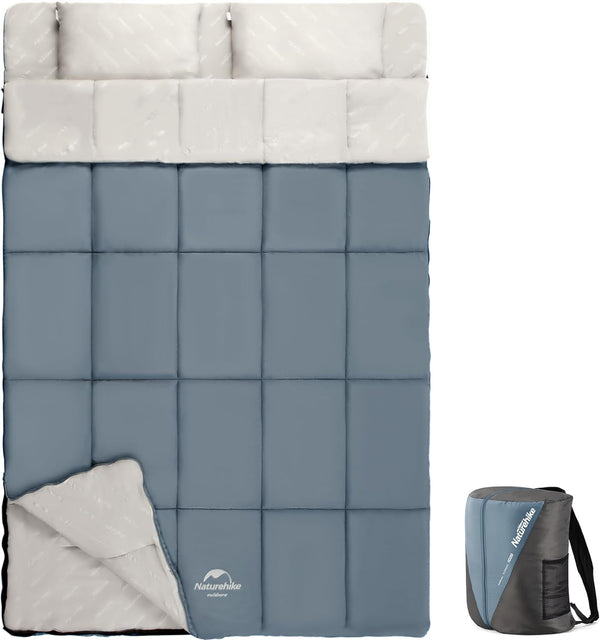
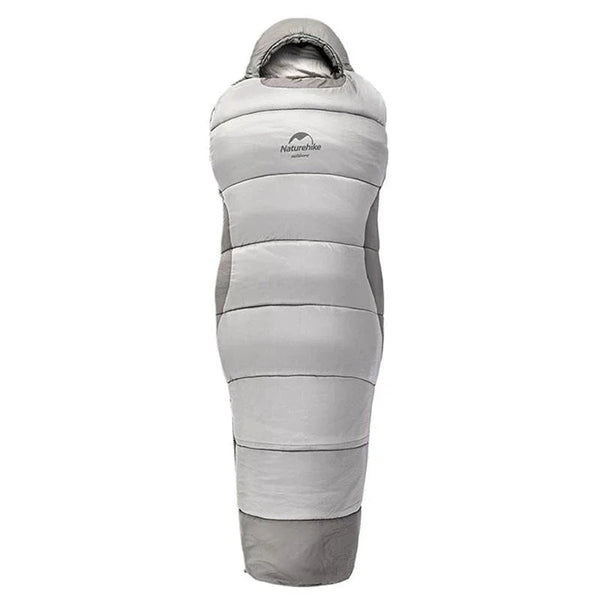
Cotton is a natural filling with properties different from down and technical synthetic materials. Understanding its advantages and limitations helps avoid mistakes in choosing the right gear based on the type of trip planned.
Cotton sleeping bag: advantages and limitations of natural filling
Cotton regulates body moisture well: it absorbs perspiration without causing a feeling of stuffiness, making it pleasant for nights in temperate conditions between 5 °C and 15 °C. The immediate feel is softer than that of technical synthetic material, with no break-in period required. Maintenance is simple: machine wash at 30-40 °C with standard detergent, without the specific precautions required for natural down filling. On the other hand, a cotton sleeping bag is heavier and bulkier than a synthetic or down model with equivalent insulation. Cotton absorbs moisture and takes longer to dry than synthetic materials, a real limitation for rainy outings or bivouacs in humid conditions. For hiking trips over several days, a down sleeping bag or lightweight synthetic one is better suited.
For what use should you choose a cotton sleeping bag?
The cotton camping sleeping bag is suitable for car camping, van life, fixed outdoor stays, and family outings where contact comfort and ease of maintenance are priorities. For both adults and children, the natural softness of cotton makes these models accessible for first-time campers or occasional trips. The available models cover a wide range of sizes, from the compact 1-person format to generous, wider versions for long-term comfortable use. A large size cotton sleeping bag is particularly suitable for sleepers who seek freedom of movement without the constraints of a fitted mummy shape. For those who get cold easily or for use in mid-season, a fleece liner added inside can provide an additional 5 to 8 °C and extend the usage range to cooler nights.
Cotton or synthetic: which material to choose according to the context?
The choice between a cotton sleeping bag and a synthetic model depends primarily on the context of use. For static camping in temperate conditions, cotton offers superior contact comfort and simpler maintenance. For trips involving carrying, nights in sub-zero temperatures, or humid conditions, technical synthetic filling or a natural down sleeping bag offers better performance for the same weight. A good quality cotton adult sleeping bag lasts between 5 and 10 years with regular maintenance and uncompressed storage between trips. Storing a cotton sleeping bag compressed for several weeks accelerates the compaction of the filling and eventually reduces its thermal efficiency.