
3-season sleeping bag
14 products

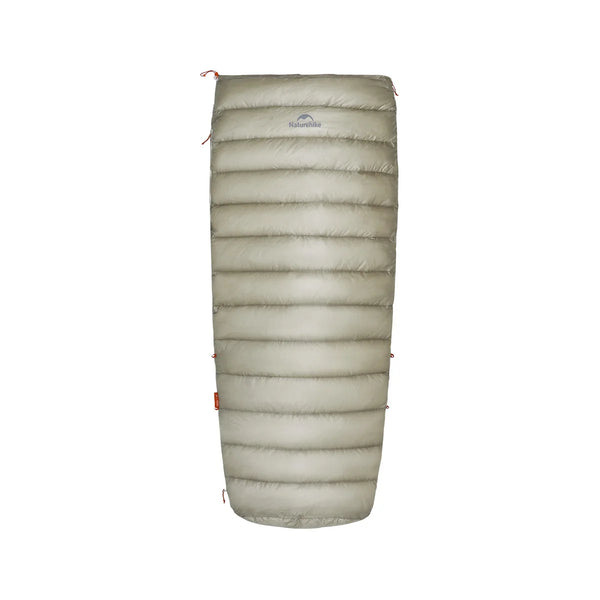
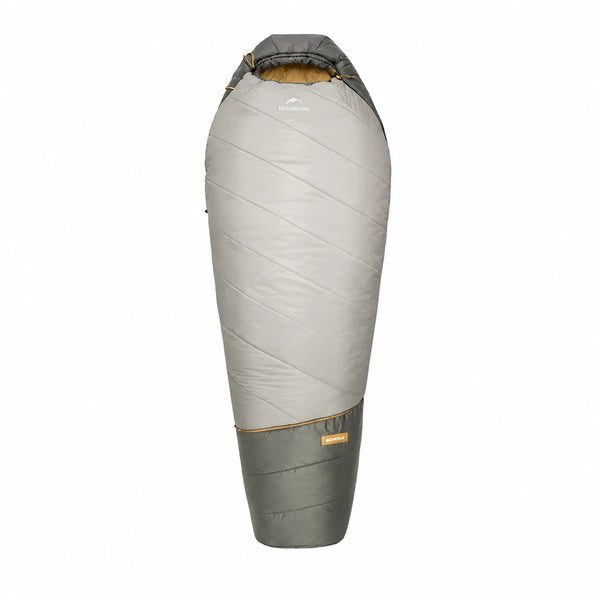
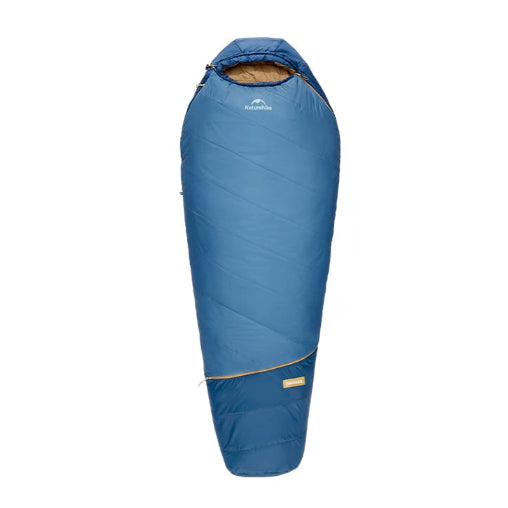

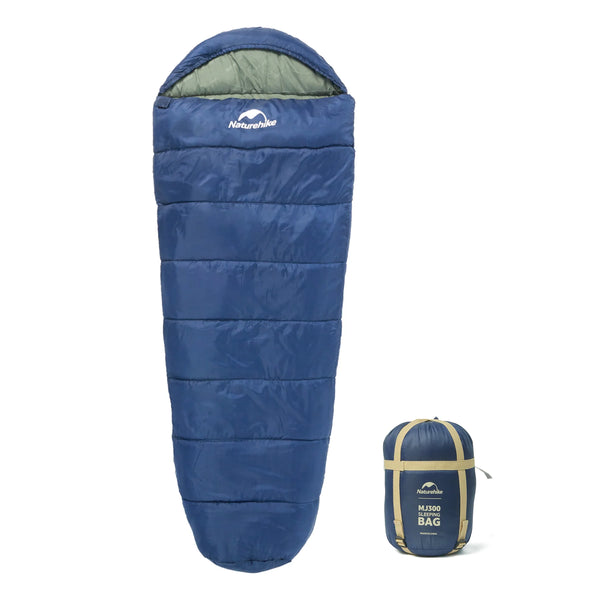
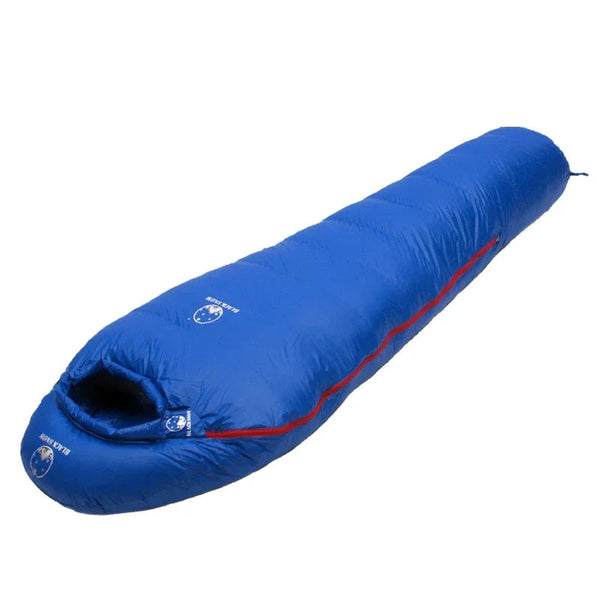

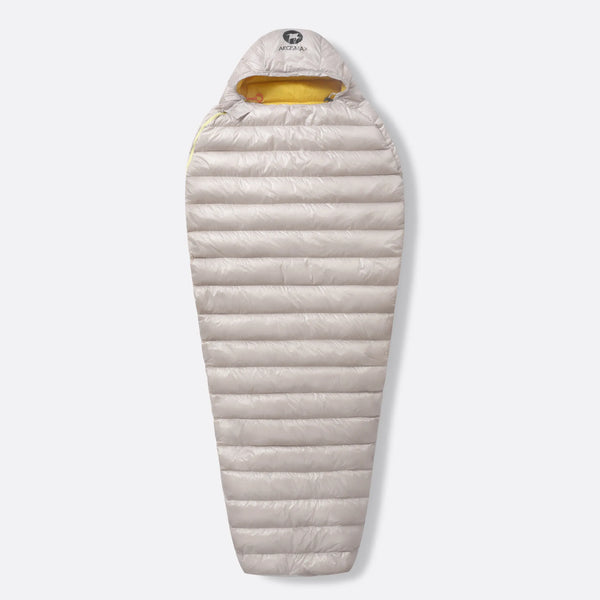
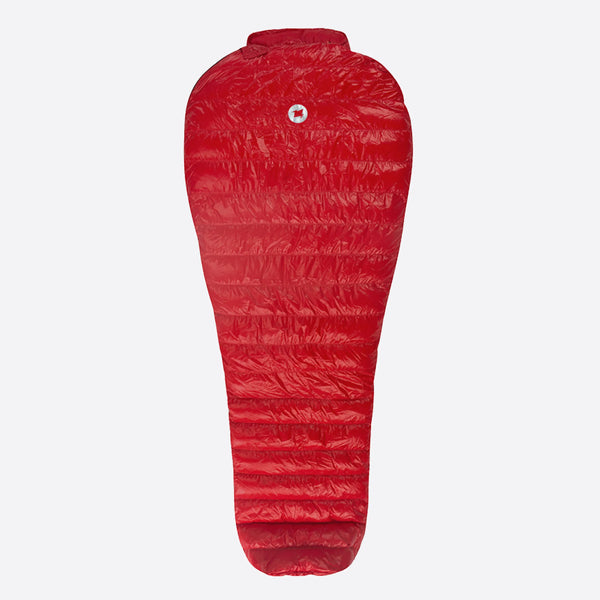
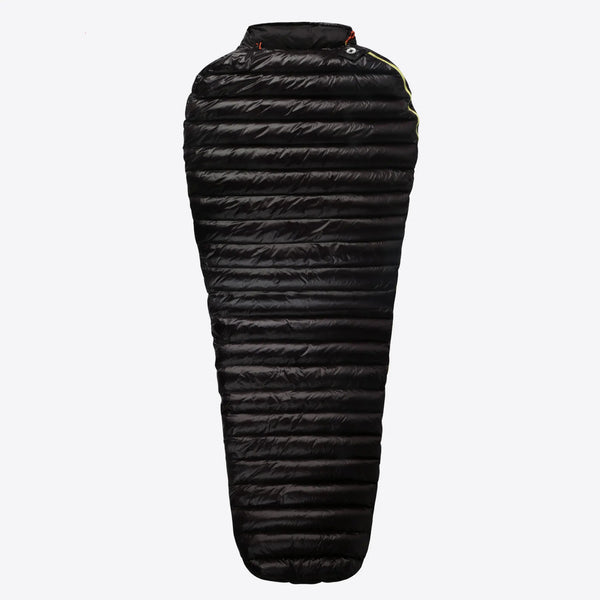

The selection above includes models with natural down and synthetic fill, ranging from 438 g for ultralight versions up to 2.2 kg for spacious camping models. Each product sheet specifies the comfort temperature measured in the laboratory, the fill power in cuin, and the weight to enable a choice suited to actual use.
Choosing a 3-season sleeping bag based on actual conditions
In France, mountain nights vary significantly depending on altitude, season, and the mountain range. A bivouac in the Pyrenees in June at 1,800 m does not have the same requirements as a night in the Alps in October at 2,500 m. A 3-season sleeping bag meets this reality with a wide thermal range, but the comfort temperature remains the only reference value for selection. The extreme temperature, often highlighted in marketing materials, corresponds to a theoretical survival threshold rather than a usage metric. The EN 13537 / ISO 23537 standard guarantees temperatures measured in a laboratory using a thermal mannequin, independent of manufacturer claims. It is advisable to allow a margin of 3 to 5 °C compared to the coldest night expected, while taking into account the sleeping pad, humidity, and individual metabolism.
Down or synthetic fill for a 3-season bag
The down sleeping bag with natural filling (700 to 800 cuin) is preferred for active 3-season use: it offers the best compressibility and the best weight-to-insulation ratio for trekking and bivouacking. A warm down bag with 800 cuin fill power and 0 °C comfort compresses into 8 to 12 liters, compared to 16 to 20 liters for an equivalent synthetic one. Synthetic fill, on the other hand, retains some of its insulation in damp conditions, an advantage for spring outings exposed to showers or nocturnal condensation. For a camping down bag transported by car or on routes with little elevation gain, weight becomes secondary and comfort in terms of volume may take priority. To learn more about this choice, consult the guide on down vs. synthetic fill according to use.
What comfort temperature to choose for a 3-season bag?
The thermal range of a 3-season sleeping bag generally covers comfort temperatures between 0 °C and +10 °C depending on the model. A model with 0 °C comfort is suitable for high-altitude bivouacs from spring to autumn, cool summer nights in the high mountains, and long-distance itineraries such as the GR20 or the Tour du Mont-Blanc. A model with +5 °C or +10 °C comfort is better suited for summer camping down in the lowlands or for mild nights without significant temperature swings. For outings where temperatures regularly drop below -5 °C, a -5°C sleeping bag or a 0-degree sleeping bag with an additional thermal margin is preferable.
Weight and compressibility: data for 3-season trekking
For long-distance backpacking and carrying gear, the weight and compressed volume of a 3-season sleeping bag directly influence comfort over time. A warm down model with 800 cuin fill power and 0 °C comfort weighs between 500 g and 900 g depending on its construction, compared to 1.2 to 1.5 kg for an equivalent synthetic one. On a 7 to 10-day trek, this difference of 400 to 600 g is noticeable. Models with light synthetic fill remain relevant for static camping or outings where weight is less of a constraint. For those who feel the cold easily or for outings in shoulder seasons at high altitudes, a model with -2 °C to -5 °C comfort offers the necessary margin without switching to an oversized expedition sleeping bag.