
Extreme cold sleeping bag
8 products
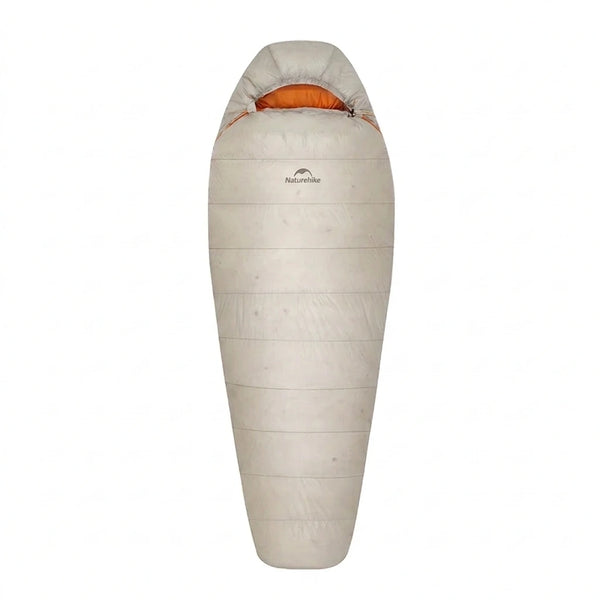
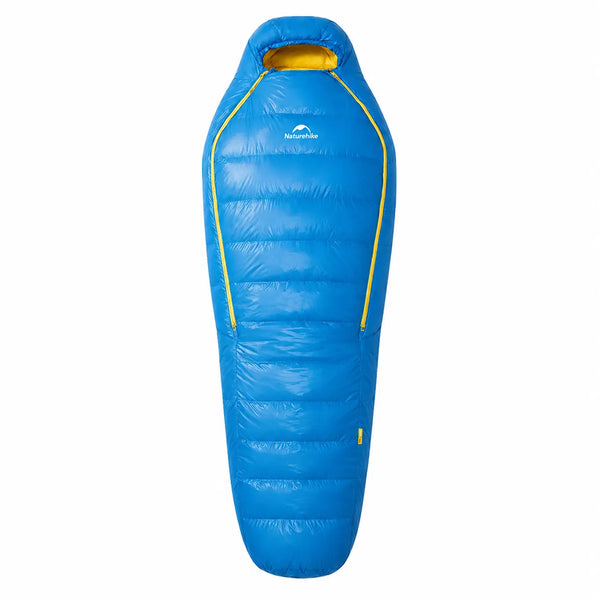
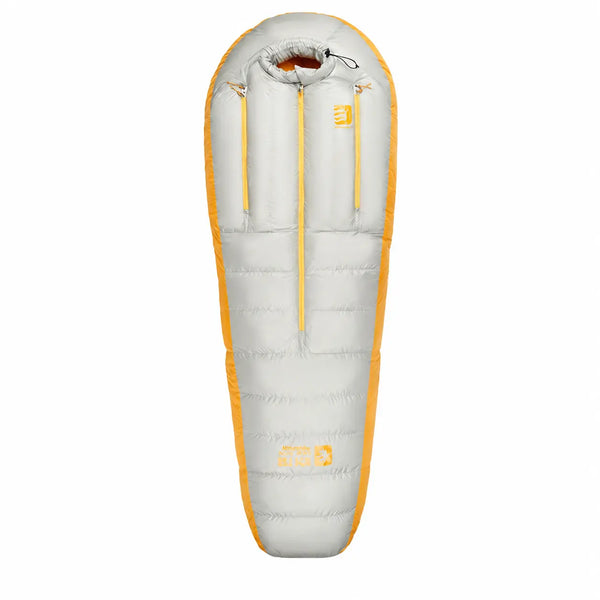
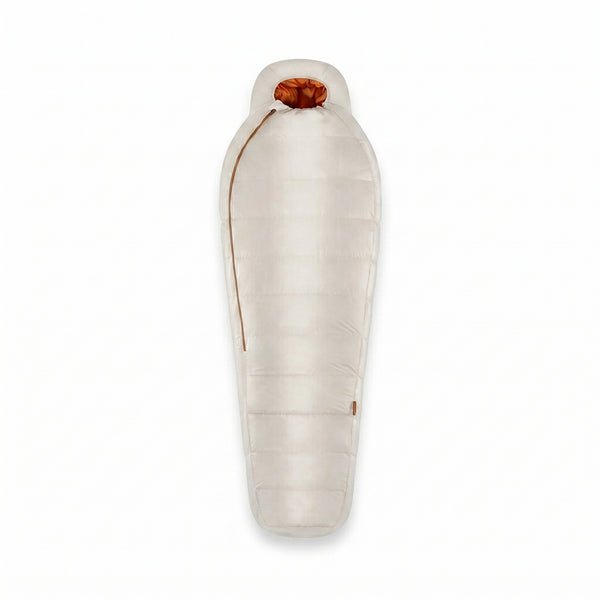
Choosing your winter sleeping bag based on real conditions
When winter camping in France, nighttime temperatures vary between -5°C at low altitudes and -20°C above 3,000m in the Alps or Pyrenees. A winter sleeping bag should have a comfort rating at least 5°C lower than the expected minimums — to account for real-world variables such as fatigue, ambient humidity, and the quality of your insulated sleeping pad. A winter sleeping bag rated for a comfort temperature of -10°C is suitable for nights down to -5°C in standard conditions; at altitude or in windy conditions, this margin becomes essential. The comfort temperature, the only reference value for sleeping without feeling cold, is distinct from the limit temperature — which corresponds to a standard man sleeping at the limit of comfort — and the extreme temperature, which is a theoretical safety threshold, not an operational metric.
Cold-weather down bags: which insulation for extreme cold?
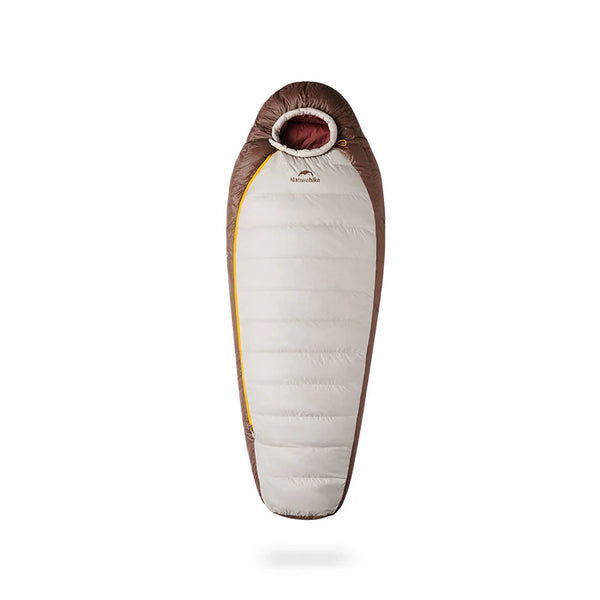
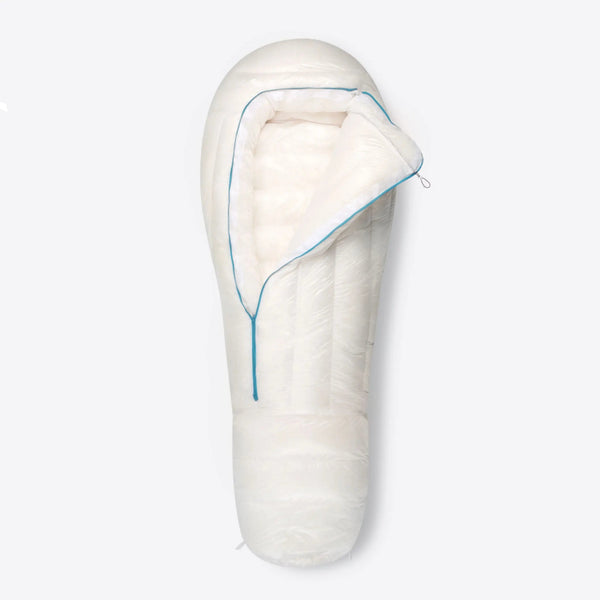
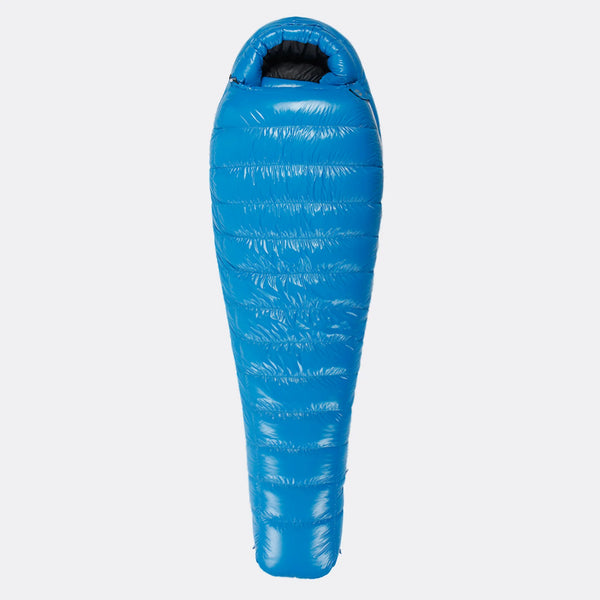
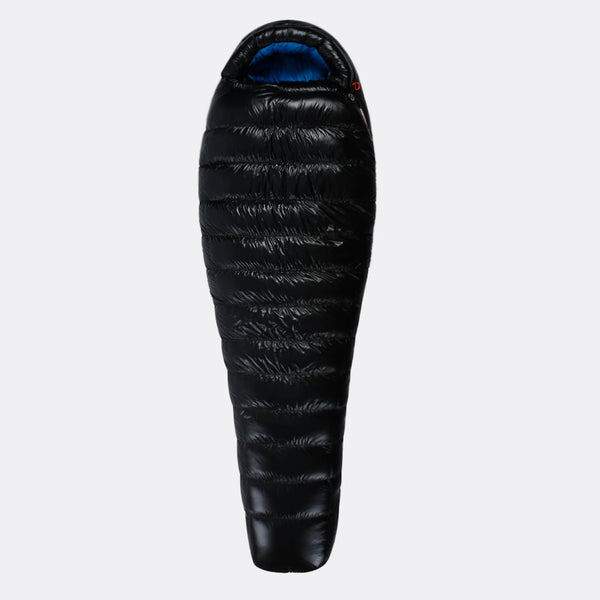
For a cold-weather down bag with a comfort temperature below -10°C, 800 to 850 cuin natural down insulation offers the best weight-to-insulation ratio available. An ultra-light cold-weather down bag with 850 cuin down and a comfort rating of -20°C weighs between 1,500 and 1,800 g — whereas an equivalent synthetic model exceeds 2.5 kg. Natural down loses its insulating properties if saturated with moisture: hydrophobic treatments reduce this risk in dry cold conditions, typical of high-altitude winter bivouacs. For trips in humid or prolonged conditions, synthetic insulation maintains minimal warmth even when wet. For further details on this choice, consult our guide on down vs. synthetic insulation based on usage.
Ultra-light cold-weather sleeping bags: what the data says
For mountaineering and winter climbing where every gram counts, an ultra-light cold-weather sleeping bag with 800 to 850 cuin down and a comfort rating of -15°C weighs between 1,400 and 1,700 g depending on its construction. Below 1,400 g for this thermal level, the compromises in insulation thickness or shell fabric quality become significant. For an extreme cold sleeping bag used in expeditions or high-altitude mountaineering, look for a model with an adjustable anatomical hood, thermal shoulder collar, and a draft-protected zipper — these three elements reduce heat loss at the bag's critical points. The -10°C sleeping bag collection brings together models precisely calibrated for this threshold, suitable for winter outings that do not involve expedition conditions.
The insulated sleeping pad: a deciding factor in winter bivouacking
The sleeping pad accounts for 40 to 50% of the total insulation of your sleep system — the ground conducts cold much more efficiently than ambient air. For a winter down bag used in bivouacs below -10°C, a pad with an R-value of 5 or higher is essential for the bag to perform to its full potential. A thermal liner provides an extra margin of +5 to +8°C, which is useful during the coldest nights or for those who get cold easily. Neglecting the sleeping pad in winter conditions is equivalent to underestimating the entire system, regardless of the quality of your cold-weather sleeping bag.