


3-season synthetic envelope sleeping bag for camping
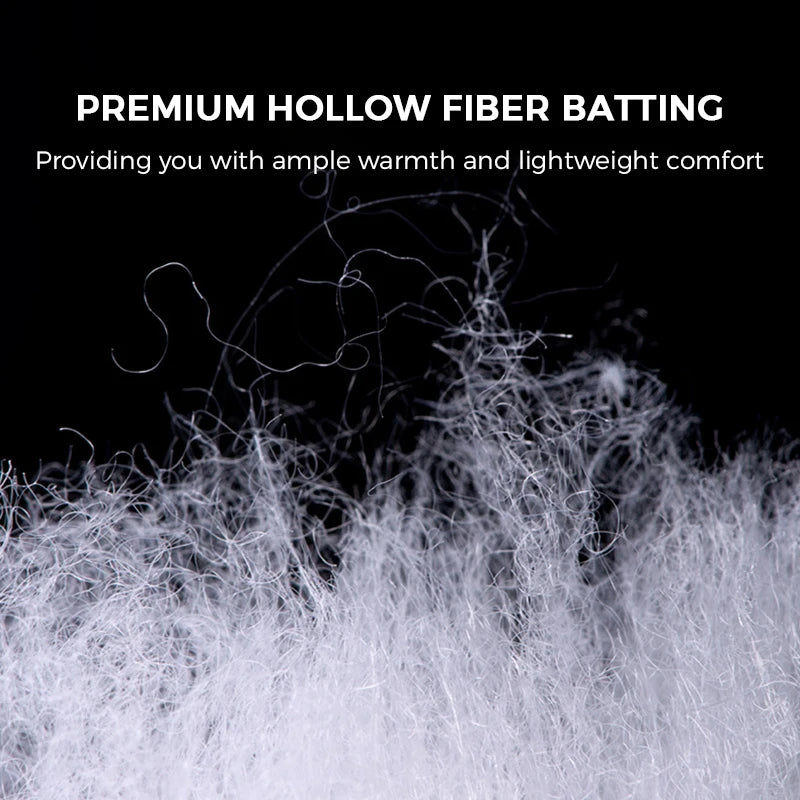
The Naturehike H150 synthetic envelope sleeping bag is designed for spring to autumn camping, in dry conditions and mild temperatures. The rectangular shape offers greater freedom of movement than a mummy bag and allows the bag to be used open as a camp blanket. Two H150 bags can be joined via their side zippers to form a double sleeping bag. The synthetic hollow fiber filling retains its insulating properties in the presence of light moisture — an advantage over down in high-condensation environments. For outings below 5°C, a thermal liner or an additional layer is recommended.

Synthetic vs. down: the right choice for recreational camping
Unlike down, synthetic fiber requires no special precautions when washing — a cycle in the machine at 30°C is enough to restore its loft. The DWR-treated polyester outer fabric resists light spray and tent condensation. The soft embossed inner lining eliminates the need for a sleeping bag liner for casual camping. Weight of ~800 g: suitable for car camping or short trips without the constraints of carrying gear.
Coupling two H150s: side zip system
The side zips of two H150 bags join together to form a double sleeping bag, a configuration designed for camping as a pair rather than a solo setup modified as an afterthought. The system remains detachable to return to individual use depending on the trip.
Embossed lining: comfort that eliminates the need for a sleeping bag liner
The embossed inner lining provides a softer feel against the skin than standard smooth polyester, sufficient for many users without adding a sleeping bag liner to this warm sleeping bag for recreational camping. This fabric choice eliminates one piece of gear for outings where weight and volume are not constrained.
When the nights get chilly and the H150 is no longer enough, the Naturehike U250S extends the season down to a 0°C comfort rating with a joinable envelope design.



Doubt about which bag is right for you?
The field guide helps you choose based on skill level, temperature, needs, and weight. Support answers specific questions.
Find my bag Contact supportFrequently Asked Questions
The Naturehike H150 is designed for a comfort temperature of 13°C. The lower limit temperature is not stated for this model. Allow a safety margin for real conditions.
The Naturehike H150 is filled with synthetic cotton. Synthetic insulation keeps insulating when damp, dries quickly and needs no special care — suited to changeable conditions or family trips. The Naturehike H150 weighs 800 g, which places it in the lightweight category.
For static camping in France, a bag with a comfort temperature between 5°C and 15°C covers most situations from spring to autumn. Synthetic fill is often preferred for camping because it is easy to care for and tolerates humidity. Down is preferable if weight and packed size matter, especially if gear is carried on foot.
Night-time warmth when camping depends on several elements: a sleeping bag suited to the expected temperature, an insulated sleeping mat to cut heat loss through the ground (often underestimated), and dry clothes worn only for sleeping. Eating a hot meal before bed also helps the body produce heat during the night.
A down sleeping bag can be machine-washed at 30°C maximum on a delicate cycle, with a down-specific detergent (standard detergents damage the down). The machine should have a capacity of at least 7 kg. Low-heat tumble drying with tennis balls is essential to restore the down's loft. Do not spin at high speed.