


Precision thermal architecture for shipping
The Aegismax Ultra Future II is aimed at mountaineers and winter trekkers who cannot afford the slightest flaw in their equipment. Achieving a comfort temperature of -10°C requires cutting-edge engineering to block body heat loss. This -10 degree sleeping bag incorporates differentiated baffles, combining vertical channels on the chest and horizontal ones at the joints, preventing any migration of the filling while you sleep.

Hydrophobic down and warmth-to-weight ratio
The core of this model is its RDS-certified 800-fill power goose down that has undergone an ultra-dry treatment. This technology repels moisture generated by perspiration and tent condensation, ensuring the down does not clump over consecutive nights. Wrapped in an extremely lightweight and durable 10D IFlex® nylon, this extreme cold weather sleeping bag secures your most demanding nights without weighing down your climbing pack.
3D side baffles: insulation up to the edge of the bag
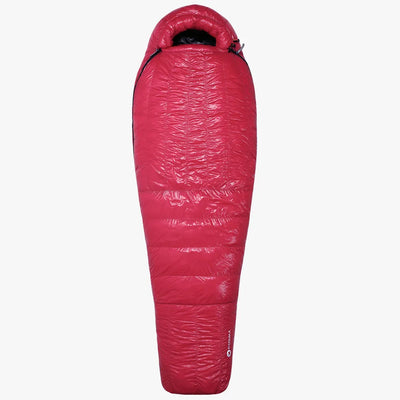
The 3D side baffles maximize the loft of the RDS-certified down right to the edge of the bag, preventing the thinning of the fill usually seen at the side seams with flat-baffle construction. This continuity of insulation limits cold spots along the body of this extreme cold sleeping bag.
3D footbox and anti-snag zip baffle
The 3D footbox follows the natural curve of the foot rather than compressing it at a right angle, which preserves the down loft in this area usually prone to compression on this extreme cold sleeping bag. An anti-leak baffle also runs along the inside of the zipper to limit heat loss at the zip seams, supplementing the baffling described previously.
If your next adventures take place on the plains during the summer, however, where the search for coolness, space, and easy maintenance (synthetic fiber) replaces the need for thermal survival, the rectangular design of the Naturehike U150 will be perfectly suited to this recreational use.


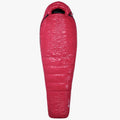
Why pay more for the same performance?
The Aegismax ULTRA FUTURE II was compared with the Cumulus Alaska 900. The finding is simple: you get equivalent technical features and warmth without paying the brand premium. Keep your budget for your next expedition.

Data checked against the brands' official product pages — subject to change.

Doubt about which bag is right for you?
The field guide helps you choose based on skill level, temperature, needs, and weight. Support answers specific questions.
Find my bag Contact supportFrequently Asked Questions
The Aegismax ULTRA FUTURE II has a comfort temperature of -10°C and a lower limit temperature of -18°C, measured to the EN 13537 standard. These values apply under standard conditions: sleeper in thermal base layers, on an insulated sleeping mat. It is designed for hiking, bivouacking, mountaineering use (3-4 seasons).
The Aegismax ULTRA FUTURE II is filled with 800 fill power, RDS certified. The Aegismax ULTRA FUTURE II weighs 1328 g, which places it in the standard category.
A down sleeping bag is insulated with goose or duck down and feathers, whereas a synthetic bag uses polyester fibres. Down offers a better warmth-to-weight ratio and packs smaller than synthetic insulation of equivalent warmth; synthetic keeps more of its insulation when damp.
A well-maintained down sleeping bag retains 80 to 90% of its insulating properties after 5 to 10 years of regular use. The main cause of degradation is long-term compressed storage, which gradually breaks the down clusters. Washing once a year with a down-specific detergent and storing the bag uncompressed out of season significantly extend the life of the fill.
The ideal comfort rating depends on intended use. For summer trekking in France (Alps, Pyrenees, GR20), a comfort temperature between 0°C and +3°C covers almost all situations. For static summer camping in the lowlands, +5°C to +10°C is enough. For extreme cold or winter wild camping in the mountains, aim for -10°C comfort minimum. The comfort temperature is always measured to EN 13537 / ISO 23537-1 / GB/T 38426.