


Precision thermal architecture for shipping
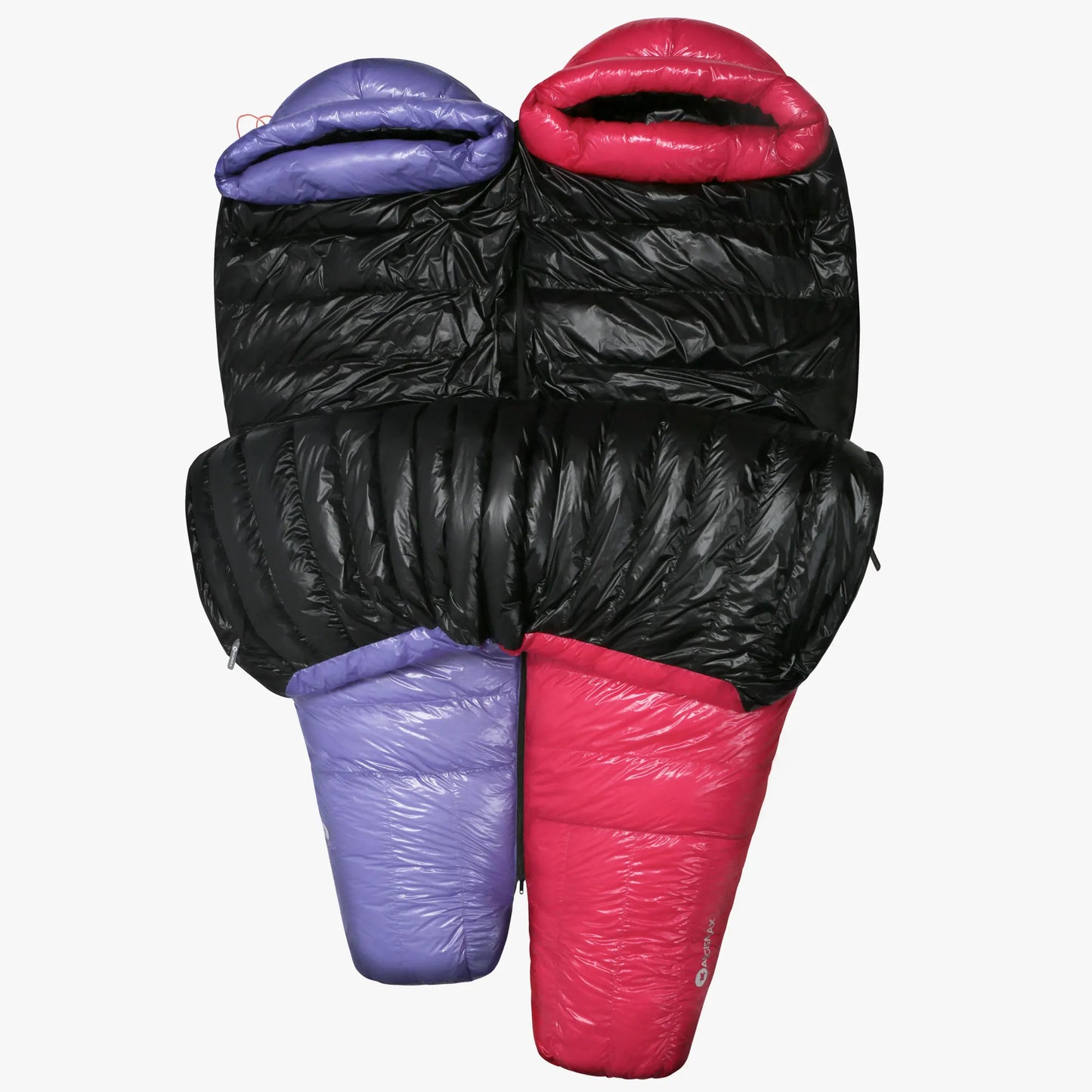
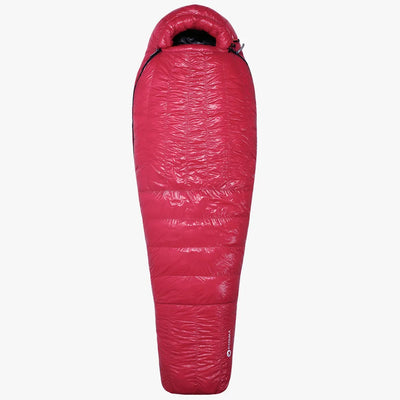
The Aegismax Ultra Future II is designed for mountaineers and winter trekkers. Comfort at -10°C requires minimizing body heat loss. The -10-degree sleeping bag features a differentiated baffle construction, with vertical baffles on the torso and horizontal baffles at the joints, which keep the insulation in place during sleep.

Hydrophobic down and warmth-to-weight ratio
At the heart of the model is its RDS-certified 800-fill-power goose down with an ultra-dry treatment. The treatment limits the effects of moisture generated by perspiration and condensation inside the tent. Wrapped in lightweight 10D IFlex® nylon, the extreme-cold-weather down is ideal for demanding nights without weighing down the climbing pack.
3D side baffles: insulation up to the edge of the bag
3D side baffles maximize the thickness of the RDS-certified down right to the edge of the bag, preventing the thinning of the fill usually observed at the side seams in a flat baffle construction. The continuous insulation limits thermal bridges along the body of the extreme cold sleeping bag.
3D footbox and anti-snag zip baffle
The 3D footbox follows the natural curve of the foot rather than compressing it into a right angle, which preserves the loft of the down in the area usually prone to compression in extreme-cold down. An anti-draft layer also runs along the inside of the zipper to limit warm air leakage at the zip seams, complementing the baffling already described.
For a synthetic mummy-style bag, the Naturehike U150 is another option.


Why pay more for the same performance?
The Aegismax ULTRA FUTURE II was compared with the Cumulus Alaska 900. The finding is simple: you get equivalent technical features and warmth without paying the brand premium. Keep your budget for your next expedition.

Data checked against the brands' official product pages — subject to change.

les premières impressions ne sont pas mauvaises
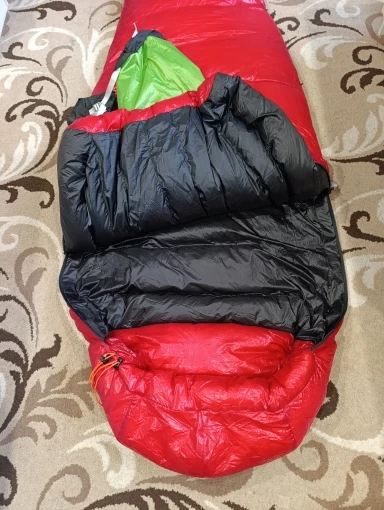
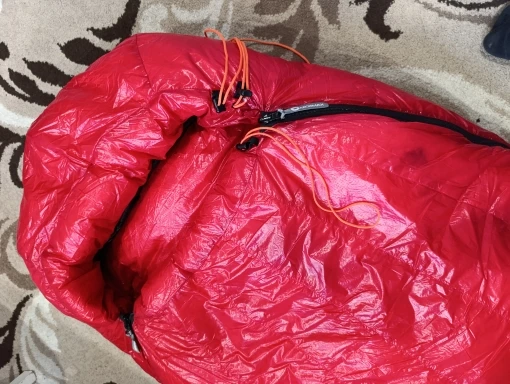


Sac de couchage duvet -10° degrés | Aegismax ULTRA FUTURE II


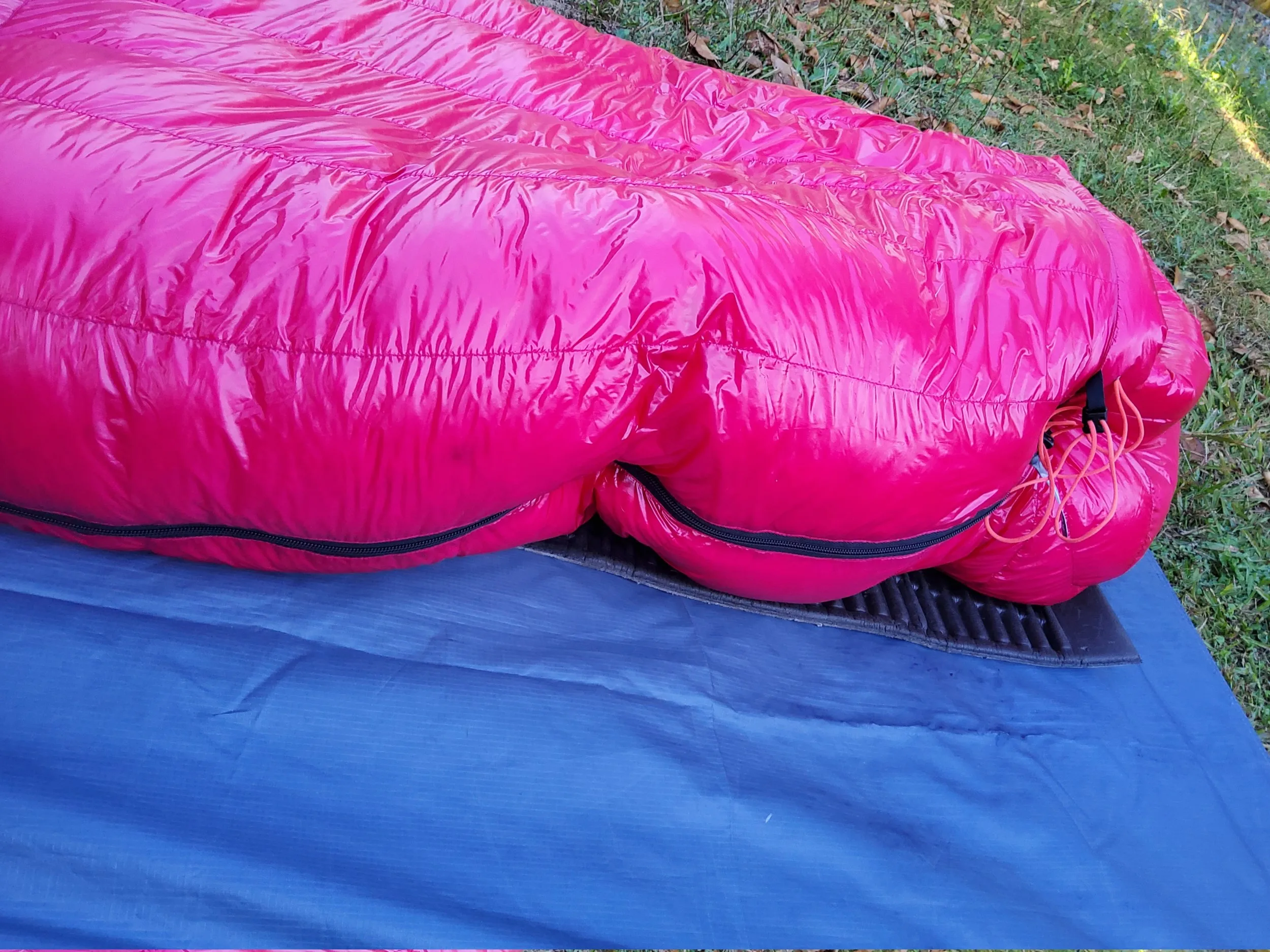

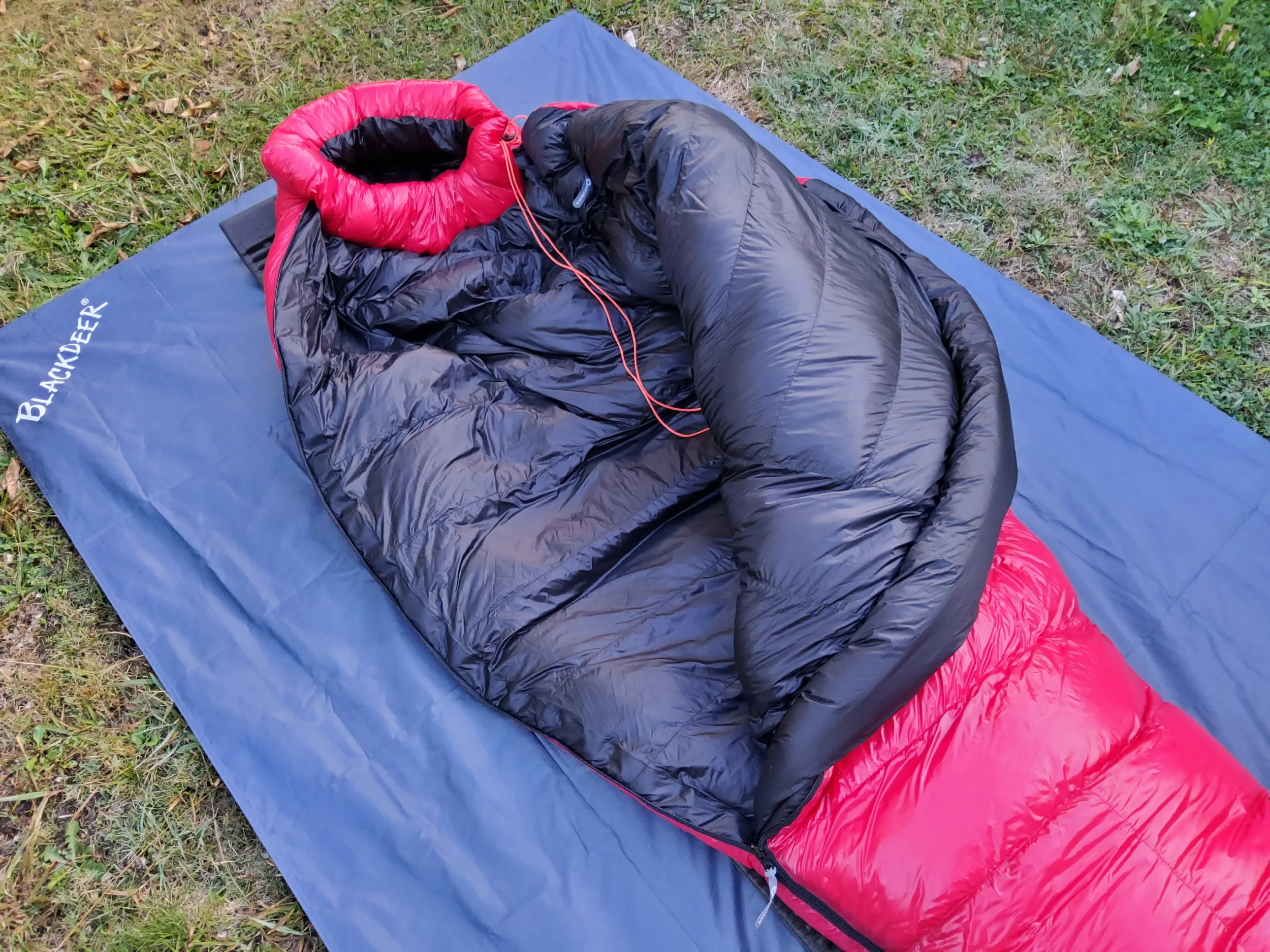
Bien emballé, a l'air bien, en espérant profiter avec lui sur le sol en voyage

Excellent, testé à -5°C sans avoir froid (femme).
Méga, le sac de couchage est arrivé plus vite que prévu. Maintenant, j'ai deux superbes sacs de couchage. Le matériau est tout simplement magnifique (extrêmement doux). 🤩 🤩 🤩
Vraiment de bonne qualité. J'hésite toujours à acheter des choses aussi chères mais quand la qualité est aussi bonne je suis agréablement surpris.
Doubt about which bag is right for you?
The field guide helps you choose based on skill level, temperature, needs, and weight. Support answers specific questions.
Find my bag Contact supportFrequently Asked Questions
The Aegismax ULTRA FUTURE II has a comfort temperature of -10°C and a lower limit temperature of -18°C, measured to the EN 13537 standard. These values apply under standard conditions: sleeper in thermal base layers, on an insulated sleeping mat. It is designed for hiking, bivouacking, mountaineering use (3-4 seasons).
The Aegismax ULTRA FUTURE II is filled with 800 fill power, RDS certified. The Aegismax ULTRA FUTURE II weighs 1328 g, which places it in the standard category.
A down sleeping bag is insulated with goose or duck down and feathers, whereas a synthetic bag uses polyester fibres. Down offers a better warmth-to-weight ratio and packs smaller than synthetic insulation of equivalent warmth; synthetic keeps more of its insulation when damp.
A well-maintained down sleeping bag retains 80 to 90% of its insulating properties after 5 to 10 years of regular use. The main cause of degradation is long-term compressed storage, which gradually breaks the down clusters. Washing once a year with a down-specific detergent and storing the bag uncompressed out of season significantly extend the life of the fill.
The ideal comfort rating depends on intended use. For summer trekking in France (Alps, Pyrenees, GR20), a comfort temperature between 0°C and +3°C covers almost all situations. For static summer camping in the lowlands, +5°C to +10°C is enough. For extreme cold or winter wild camping in the mountains, aim for -10°C comfort minimum. The comfort temperature is always measured to EN 13537 / ISO 23537-1 / GB/T 38426.