


0°F synthetic sleeping bag: sleep worry-free when moisture creeps in
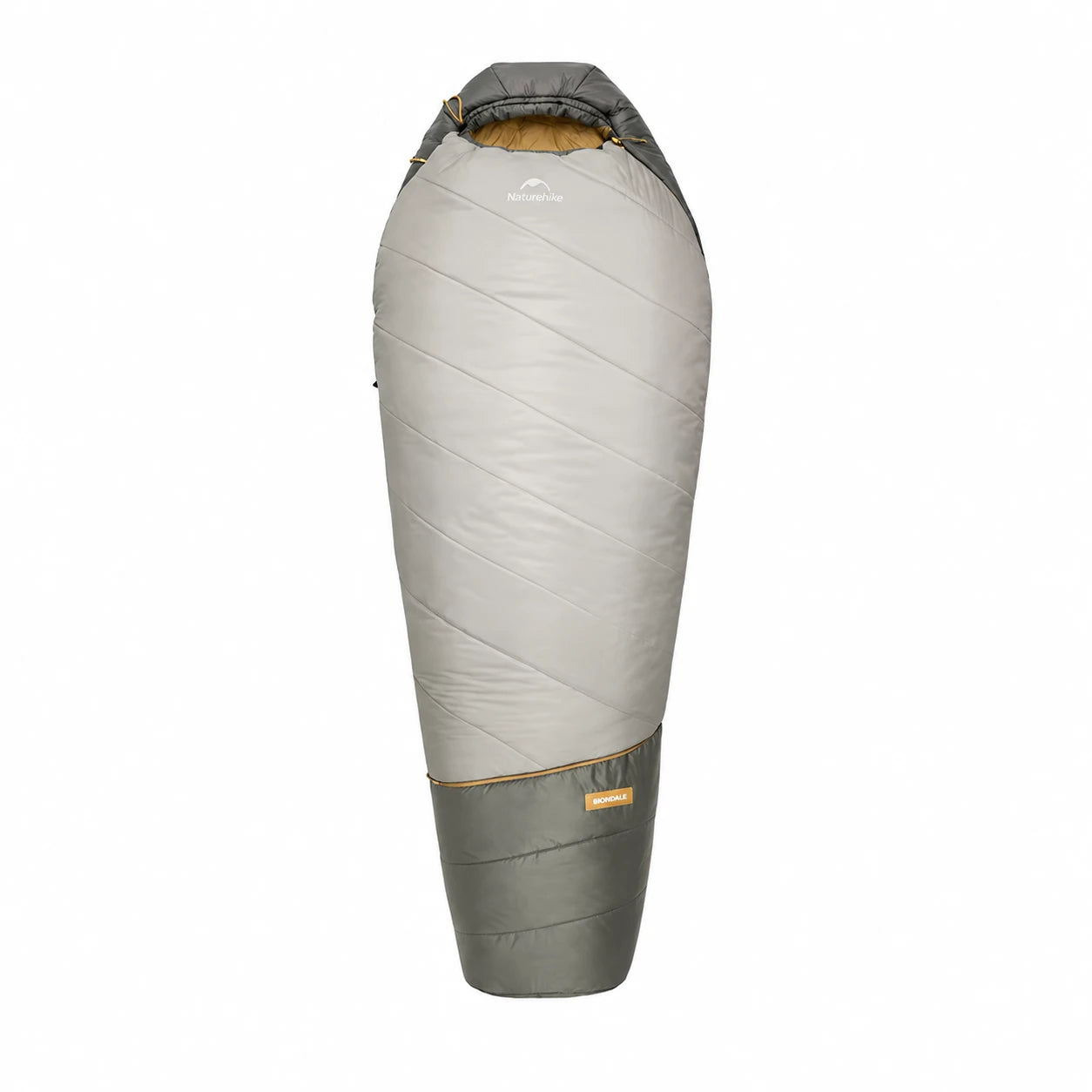
Late autumn, fog clinging to the valley, tent dripping with condensation by the middle of the night: the moment you regret a down sleeping bag that loses its loft at the slightest excess of moisture. The Naturehike MG270 is a 0-degree sleeping bag filled with double-layer Sundounce Gold-Label synthetic insulation, with a comfort rating of -2°C. Laboratory rating, measured with an insulated sleeping pad: the -8°C lower limit provides a safety margin if the night is cooler than expected.

GRS-certified recycled and PFC-free water-repellent fabric: a bivouac sleeping bag with materials you can trust
For a bivouac sleeping bag, knowing what is on your skin and in the environment matters as much as the temperature. The 20D 380T ripstop nylon outer fabric is made from GRS-certified recycled yarns (reference ETK-00042501-MUL-2508), with a PFC-free water-repellent treatment whose absence of fluorine has been tested (reference 70.404.26.10138.01). Water-repellent does not mean waterproof: in case of rain or melted snow, a shelter or an overbag remains necessary.
Openable foot compartment and two-way YKK zipper: remove a foot without taking off the bag
On a hiking trail, the night often teeters between too hot and too cool. The footbox zips open independently: your feet can stick out while the rest of your body stays warm. For a hiking sleeping bag, the insulated footbox limits the cold to your toes, and the two-way YKK zipper lets you open it from the top or bottom depending on the temperature. The lining is soft against the skin.
Compression 24 × 21 × 38 cm and antibacterial lining: the price of synthetic, in volume
Compressed, the MG270 measures 24 × 21 × 38 cm in size M (25 × 22 × 40 cm in L, 25 × 22 × 42 cm in XL). It weighs 1,160 g in M, 1,300 g in L and 1,460 g in XL, with 840 g, 949 g and 1,072 g of insulation. The 20D 380T ripstop nylon lining is stated to be antibacterial and anti-mite, with over 90% antibacterial effectiveness.
If you prefer natural down fill with a more abrasion-resistant 20D fabric in the same 0°C range, the Flame's Creed 20D is worth comparing.

Pas de sac de couchage, j'ai reçu un remboursement.
J'ai adoré !
Mieux que prévu
Fortement recommandé
Très confortable, doux, chaud, belle couleur, c'est pour mon mari, puis j'en commanderai un autre pour moi ! On a adoré !
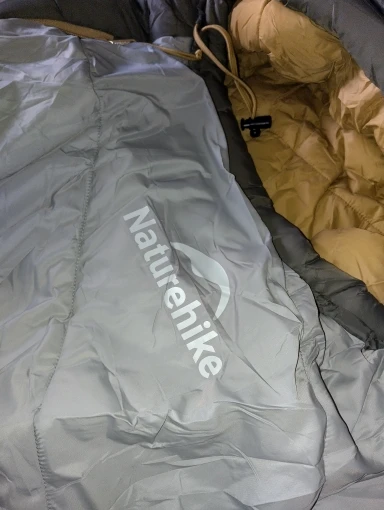
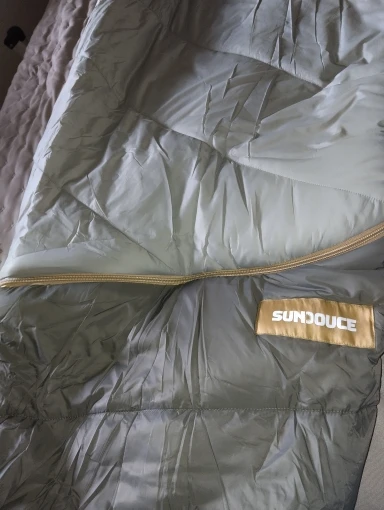
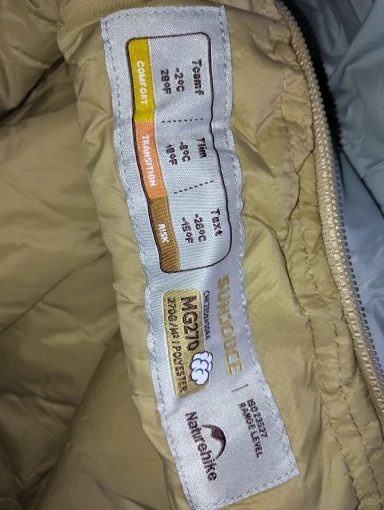
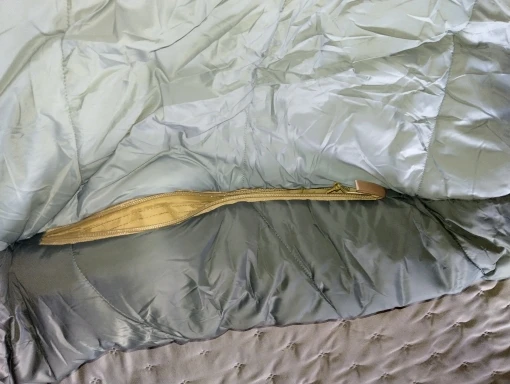
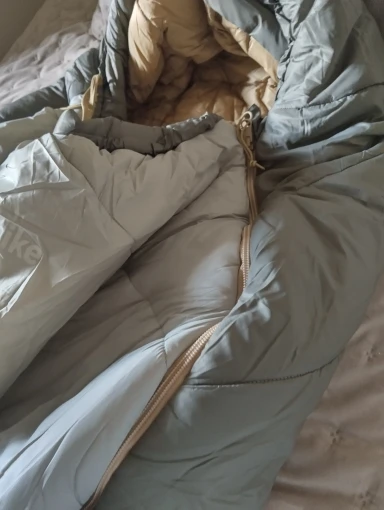
Incroyable !! meilleur rapport qualité-prix en termes de valeur, de confort thermique et de taille/poids.
C'est confortable et pratique, très beau et bien fait.
C'est un peu grand (plus grand que mon ancien), mais une fois compressé, il s'adapte parfaitement à la section sac de couchage de mon sac à dos de 60L.
Il vient d'arriver, il est maintenant temps de le tester dans une situation réellement froide en montagne.
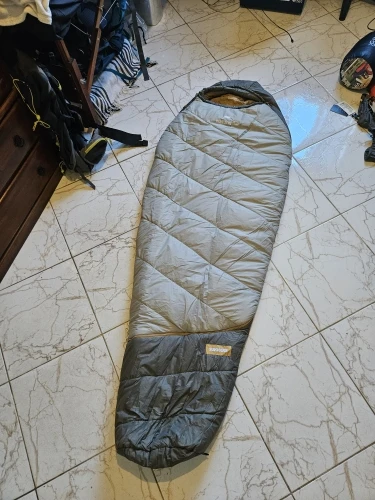
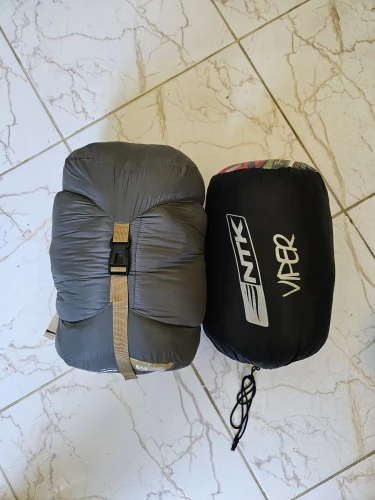
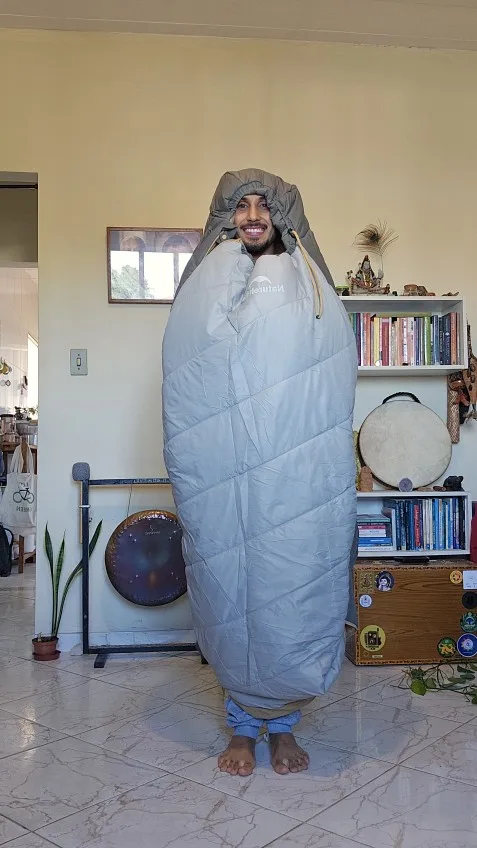
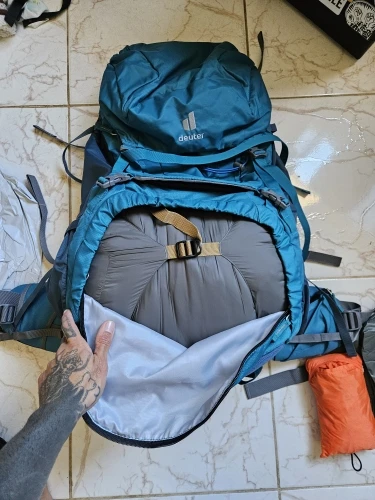
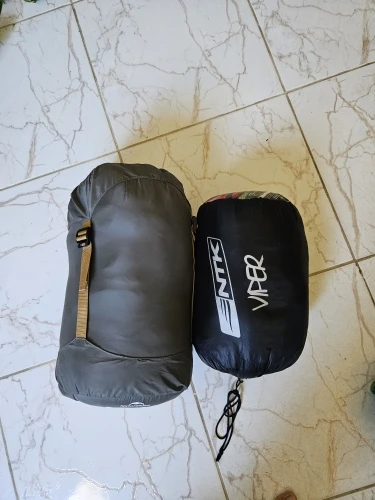
Très léger, de haute qualité, un produit très bien conçu.
Exactement comme sur l'image. Léger. Bonne qualité
C'est confortable, chaud et agréable. J'aime beaucoup, bon prix et ça se range facilement.
Livraison dans les délais, emballage soigné, conforme à la commande... en plus, c'est compact et super élégant, j'adore ! Il me reste juste à l'utiliser pour donner un meilleur avis.
Je suis ravi. J'avais des anciens sacs Neuchurzai, mais celui-ci est tout simplement exceptionnel. Je suis très satisfait. Je l'ai essayé à la maison et en 30 secondes, il a commencé à chauffer.
J'ai acheté la taille M, qui me va parfaitement pour ma taille de 168 cm et mon poids de 60 kg, avec un peu d'espace supplémentaire.
A l'air très bien, très léger et relativement petit. Livré très rapidement.
Doubt about which bag is right for you?
The field guide helps you choose based on skill level, temperature, needs, and weight. Support answers specific questions.
Find my bag Contact supportFrequently Asked Questions
The Naturehike MG270 has a comfort temperature of -2°C and a lower limit temperature of -8°C, measured to the ISO 23537-1 / GB/T 38426-2019 standard. These values apply under standard conditions: sleeper in thermal base layers, on an insulated sleeping mat. It is designed for Bivouac, trek use (3 seasons).
The Naturehike MG270 is filled with Sundounce Gold-Label 135 gsm 2-ply synthetic (840 g in M). Synthetic insulation keeps insulating when damp, dries quickly and needs no special care — suited to changeable conditions or family trips. The Naturehike MG270 weighs 1160 g, which places it in the lightweight category.
The lower limit temperature is the lowest temperature at which a reference man can maintain his body heat curled up, according to EN 13537 / ISO 23537-1. It does not correspond to comfortable use: below the limit temperature, the sleeper is likely to suffer from the cold. For real use, the comfort temperature is the main reference.
The minimum recommended temperature is the bag's comfort temperature, measured to EN 13537 / ISO 23537-1. For a 0°C bag, this means a standard sleeper can spend a night without feeling cold at 0°C, provided they use an insulated sleeping mat (minimum R-value of 2 to 3) and wear thermal base layers.
For extreme cold (below -10°C), the most suitable bags combine high-loft down (700 cuin minimum, ideally 800 cuin and above) with a mummy cut that limits heat loss. A sleeping mat with an R-value of at least 4 is essential alongside. For nights between 0°C and -5°C, a good-quality 3-season bag with a 0°C comfort rating is generally sufficient.