
Sleeping bag - down and synthetic for trekking and bivouacking
62 products
Un sac de couchage se choisit d'abord selon la température de confort attendue, le type de sortie et les contraintes de portage — pas selon le modèle le plus chaud ou le moins cher. Les données thermiques (température confort, limite et extrême) sont indiquées sur chaque fiche selon la norme fournie par le fabricant, EN 13537 ou ISO 23537. Duvet ou synthétique, ultraléger pour le trek en montagne ou plus volumineux pour le camping, la sélection couvre l'ensemble des besoins du bivouac estival aux expéditions grand froid dans les Alpes et les Pyrénées.
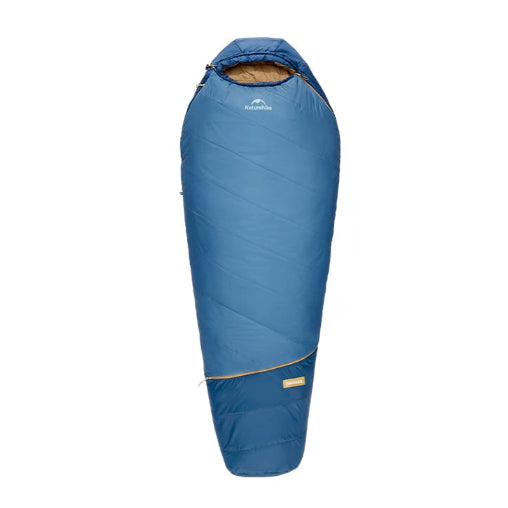

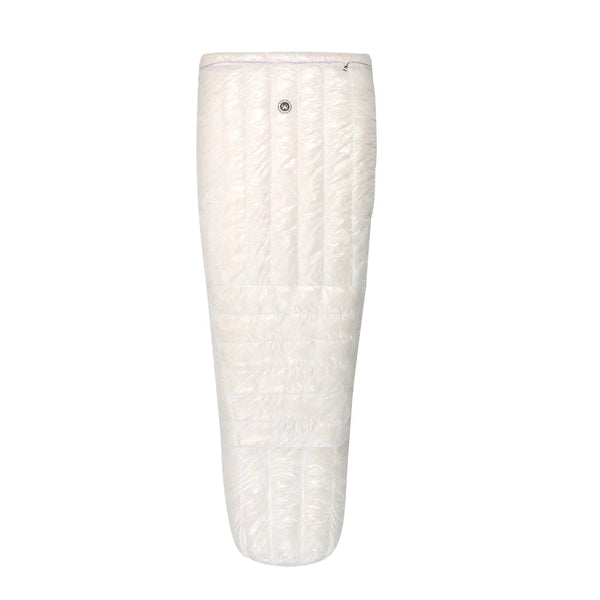
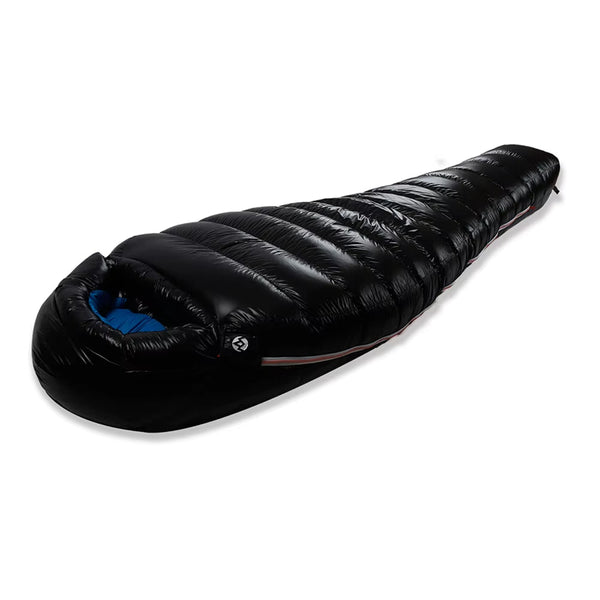
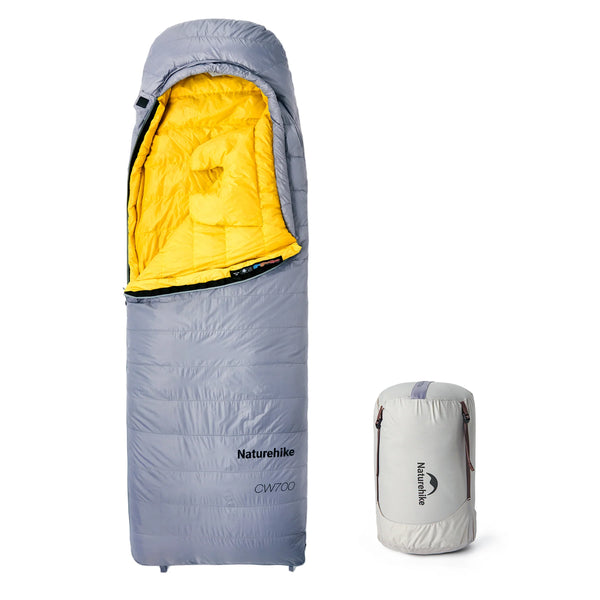
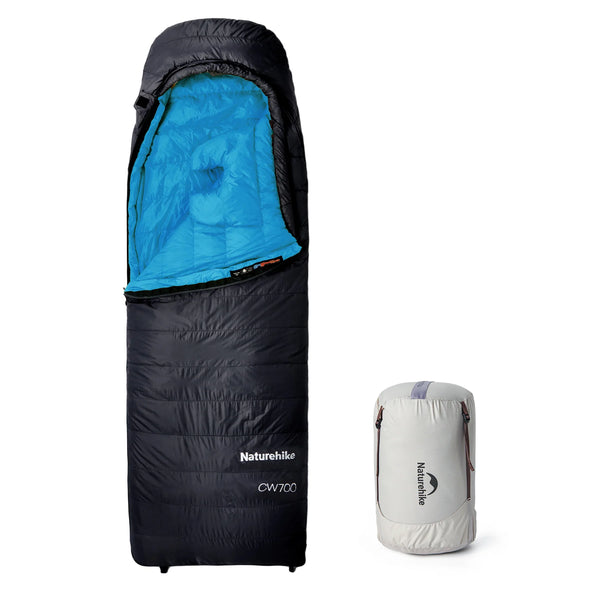
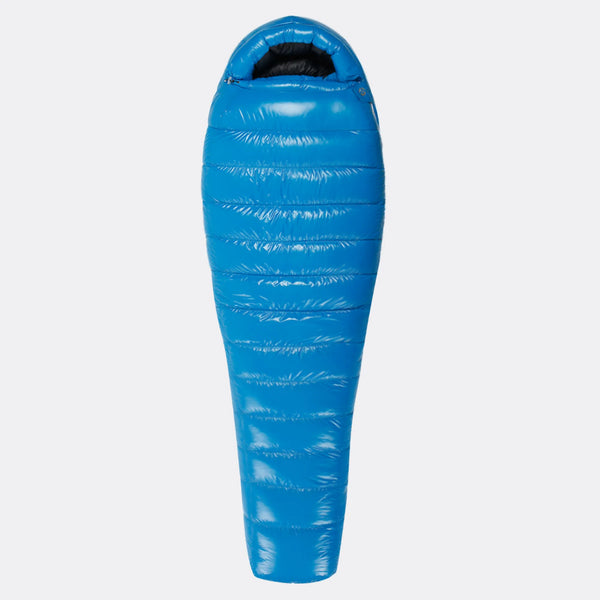
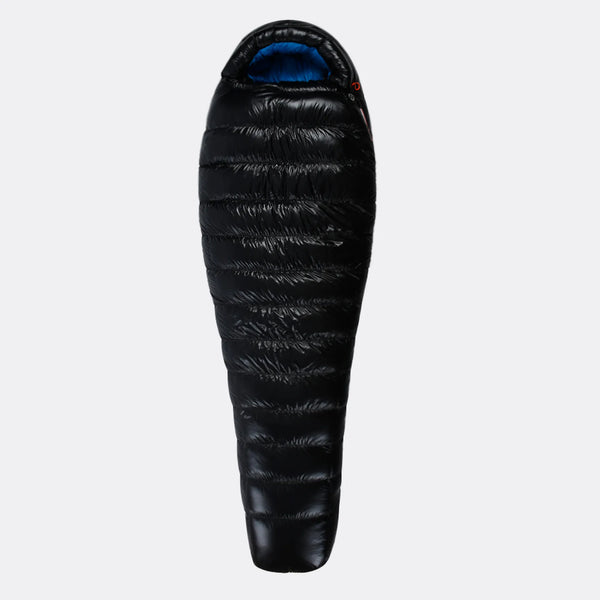
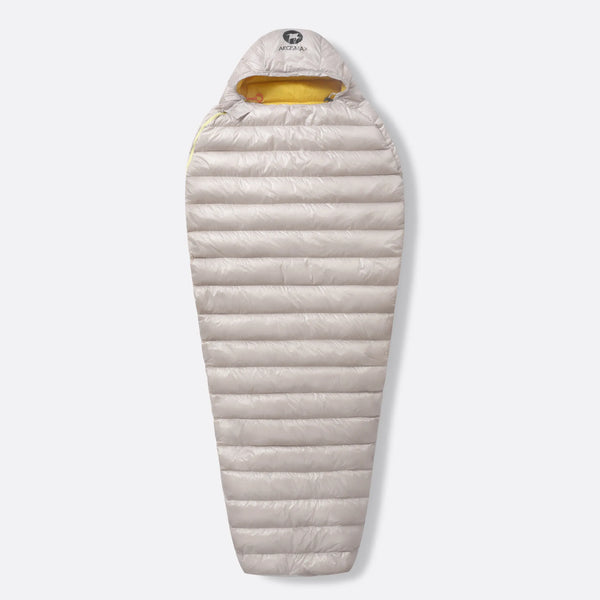

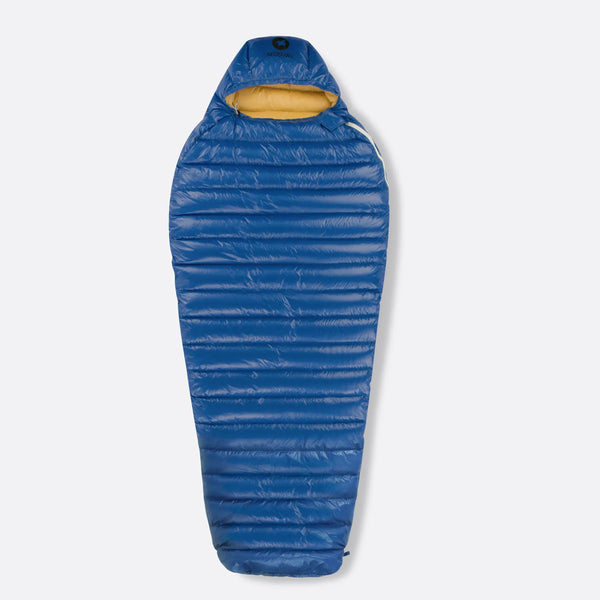

Our sleeping bag collection features models designed for sleeping outdoors, whether you are camping, bivouacking, or embarking on multi-day hikes. The right choice depends primarily on the expected comfort temperature, the type of trip, and carrying constraints, ensuring you get proper rest at night and set off feeling refreshed the next day.
Choosing your sleeping bag based on real-world use
Reasoning in terms of real-world conditions rather than isolated figures helps avoid the most common mistakes. The comfort temperature, measured according to the EN 13537 or ISO 23537 standard, assumes the use of an insulating mattress (R-value ≥ 3), long thermal underwear, and a closed hood in a dry environment. In real-world conditions—altitude, humidity, wind, fatigue—it is recommended to allow a margin of 3 to 5°C compared to the coldest expected night.
Insulation: down or synthetic?
Down insulation offers the best weight-to-insulation ratio for trekking and bivouacking in dry conditions. An 800-fill power model compresses into a volume half that of its synthetic equivalent for the same level of insulation. Synthetic insulation retains its insulating properties even when damp and is better suited to rainy outings, family camping, or tighter budgets. To learn more about this choice, check out our down vs. synthetic guide.
What temperature should you choose for your sleeping bag?
A 3-season model covers the majority of trips from spring to autumn in France. A 0-degree sleeping bag provides an extra margin for cool mountain nights, especially on the GR20 or when bivouacking in the Alps and Pyrenees from June to September. For more severe conditions, our -5°C sleeping bag, -10°C sleeping bag, and extreme cold collections allow you to adapt your gear without cutting it too close.
Weight and compressibility: what the data says
For a trekking sleeping bag and long-distance itinerancy, weight and compressed volume are determining criteria. An 800-fill power down bag with a 0°C comfort rating weighs between 500g and 950g depending on the model, compared to 1.2kg to 1.5kg for an equivalent synthetic one. On a 10-day trek with 8,000 meters of elevation gain, this 400g to 600g difference is noticeable. For static camping or camping sleeping bags transported by car, weight becomes secondary, and comfort can take priority.