
Aegismax sleeping bag
27 products
Aegismax est une marque spécialisée dans les sacs de couchage ultralight à garnissage duvet naturel haute densité. Fondée en Chine, elle s'est imposée dans la communauté des randonneurs et alpinistes qui cherchent un ratio poids/chaleur élevé sans les tarifs des marques européennes ou américaines premium. Ses modèles sont conçus pour le bivouac, le trek en autonomie et les sorties en conditions exigeantes.
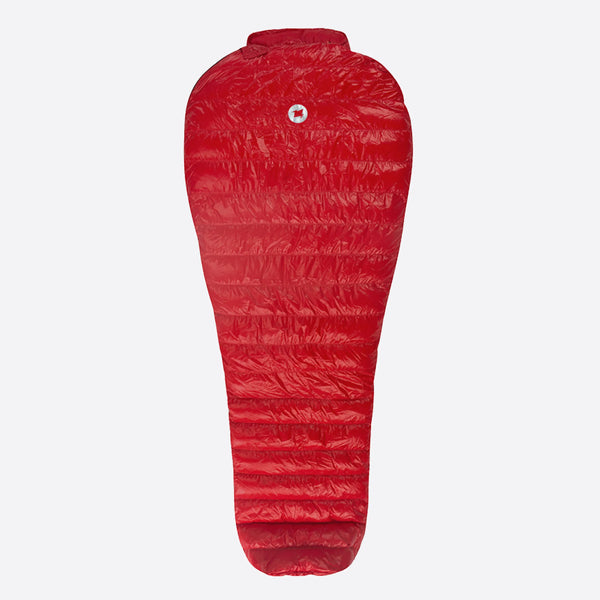


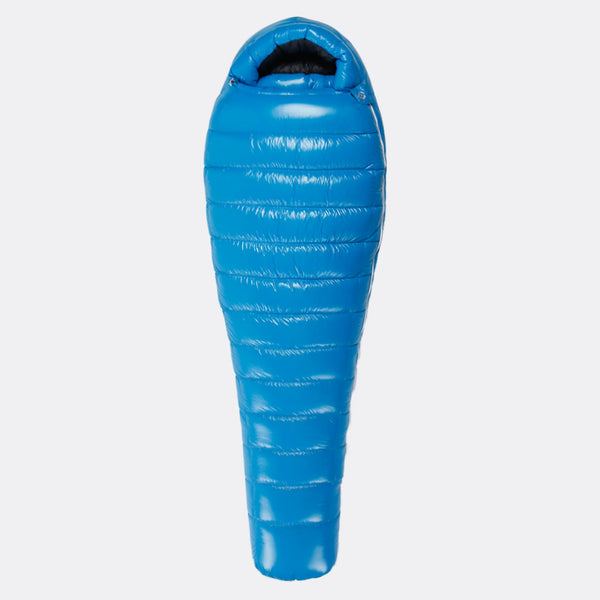
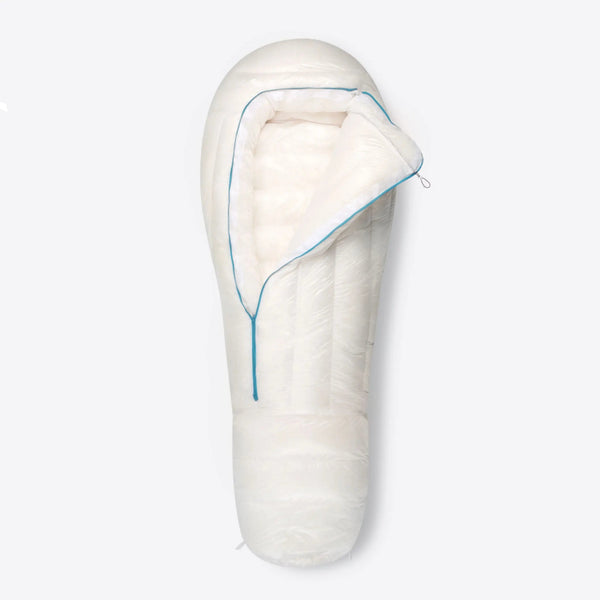
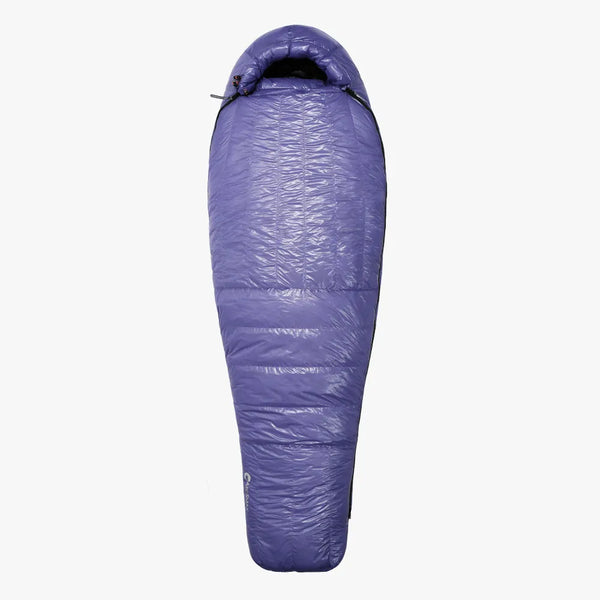
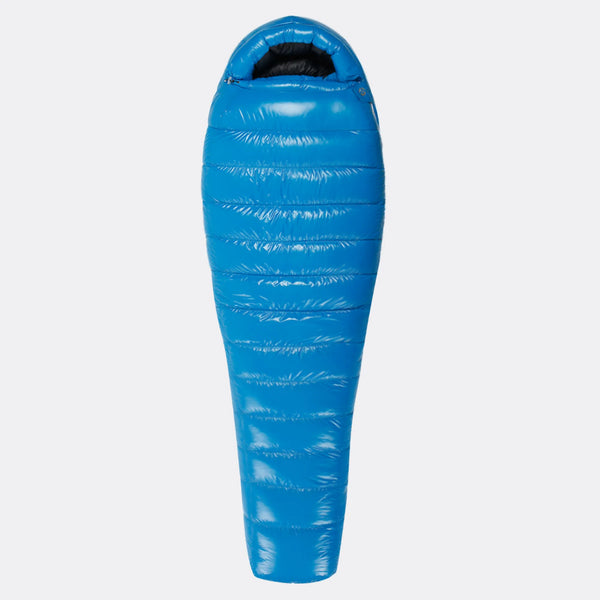

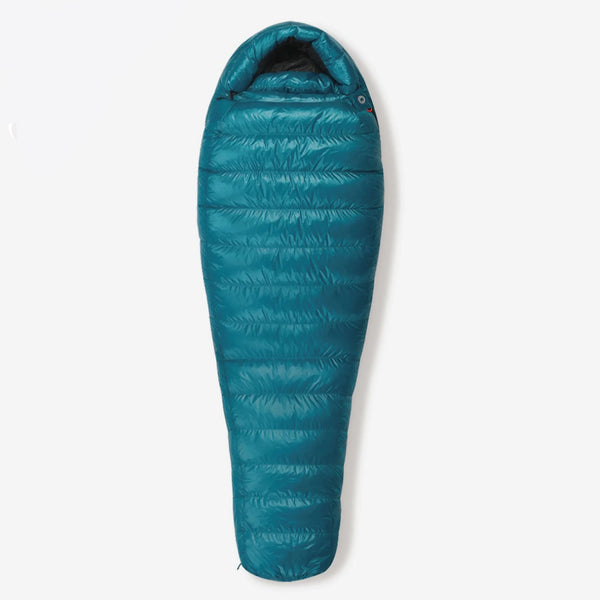

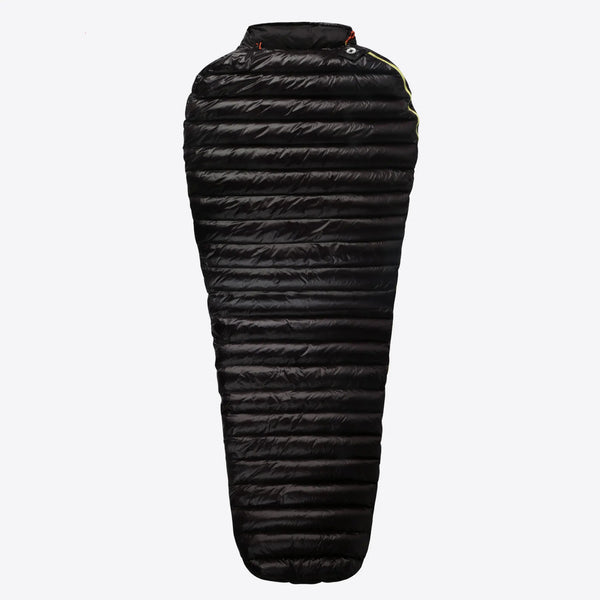
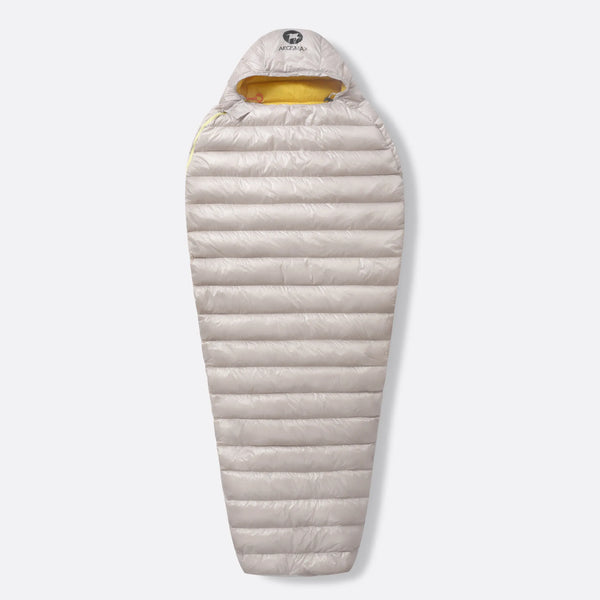
Aegismax technical positioning
Aegismax's specificity is based on the use of high-density goose down, generally ranging between 800 and 900 fill power depending on the model. Loft is measured according to the Chinese GB/T 14272-2021 standard, which includes a down cleanliness requirement of 500 mm or more—an indicator of the quality of the filling's sorting and washing. Comfort temperatures are expressed according to the EN 13537 and ISO 23537 system to facilitate comparison with European standards.
In practice, this positioning translates into ultralight sleeping bags with weights between 600 g and 900 g for comfort temperatures ranging from 0°C to -15°C—a performance level difficult to achieve with synthetic filling at the same weight.
Construction and model features
Aegismax sleeping bags adopt a mummy shape with an adjustable hood and thermal collar, two structural elements that limit heat loss at the most exposed points. The ripstop nylon outer fabric with DWR treatment offers adequate resistance to water splashes and light abrasion. The baffled construction keeps the ultralight down evenly distributed and prevents localized cold spots.
- 800 to 900 fill power: high compressibility and weight-to-insulation ratio
- Reduced compressed volume: between 3 and 5 liters depending on the model, freeing up space in the backpack
- Anatomic hood and collar: essential for nights below 5°C
- GB/T 14272-2021 standard: guarantees the quality and cleanliness of the stated down filling
For which profile and usage?
Aegismax models are primarily aimed at experienced hikers and trekkers who have mastered the parameters for using a down sleeping bag: a sleeping pad with an appropriate R-value, moisture management, and regular drying of the filling. High-density natural down is less tolerant to moisture than synthetic—a point to consider when choosing based on the planned outing conditions.
For colder conditions, winter bivouacs, or alpine climbs below -10°C, Duvet Nomade's extreme cold sleeping bag collection gathers a selection of models with temperature ranges calibrated for these specific uses, with detailed technical specifications for each reference.